
The argument in favor of using filler text goes something like this: If you use any real content in the Consulting Process anytime you reach.
The Importance of Native Trees for Wildlife
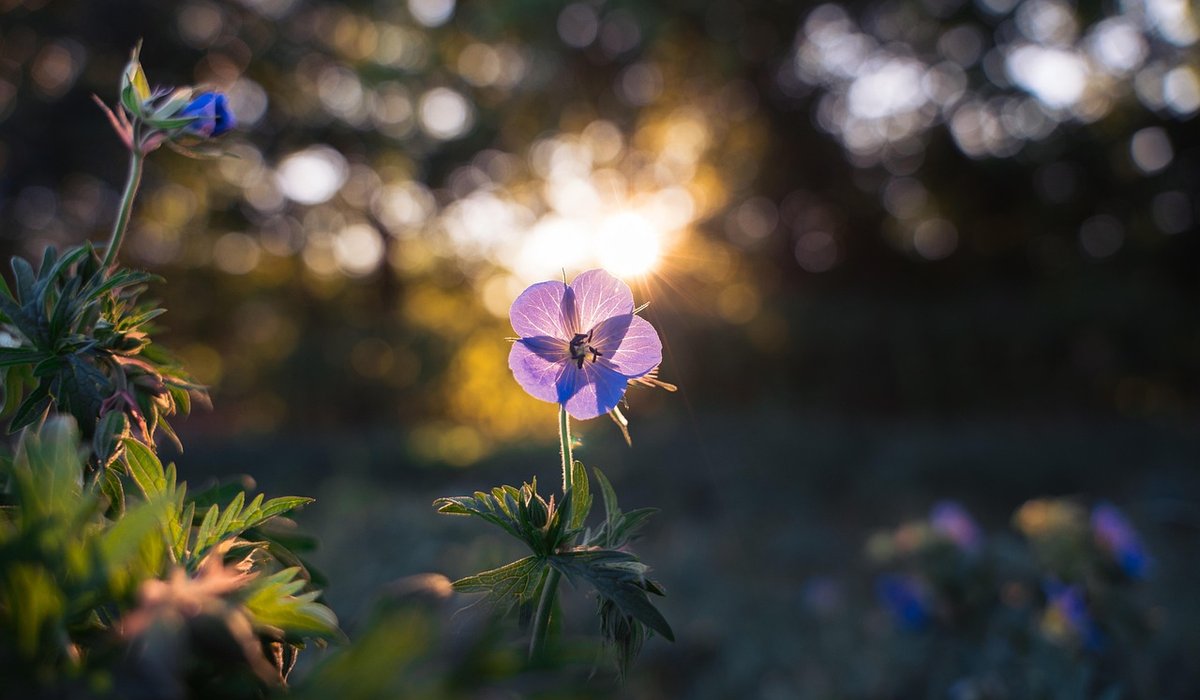
Planting a native tree is one of the most effective things you can do for British wildlife. Whether you have a large garden, a small patch, or a community space, a single oak, willow or birch can become a bustling hub for hundreds of species. These trees have evolved alongside our insects, birds and mammals for thousands of years, forming intricate relationships that non-native species simply cannot replicate.
A Tree Is More Than a Tree
When you look at a native oak, you are not just seeing timber and leaves. You are looking at a living ecosystem. The UK's native trees support an astonishing diversity of life, from the smallest micromoth to the majestic purple emperor butterfly. The reason is simple: our insects have adapted to feed on our native trees, and in turn, our birds, bats and other predators rely on those insects.
Non-native trees, such as sycamore or horse chestnut, may look attractive, but they support a fraction of the wildlife. A native oak can host over 280 species of insect, while a sycamore might support fewer than ten. That difference is stark, and it ripples right up the food chain.
The Insect Supermarket: Oak, Willow and Birch
Three trees stand out as champions for wildlife: oak, willow and birch. Each supports a huge number of insect species, providing essential food for birds and bats.
- Oak – Supports around 284 species of insect, including the larvae of the purple hairstreak butterfly. More importantly, oak leaves feed countless caterpillars, which are the primary food source for many nesting birds.
- Willow – Supports around 266 insect species. Willows are particularly valuable for early-season bees and moths, and their catkins provide pollen and nectar when little else is available. They thrive in damp ground, making them perfect for pond edges or wet corners.
- Birch – Supports around 229 insect species. Birch is a pioneer species, often one of the first to colonise open ground. Its seeds feed finches and siskins, and its leaves are loved by many moths.
Other native trees such as hawthorn, blackthorn, rowan and hazel also punch above their weight, especially in smaller gardens. Hawthorn, for example, supports over 200 insect species and provides dense nesting sites for birds.
From Caterpillars to Birds and Bats
The insects that feed on native trees are the foundation of a healthy food web. A single pair of blue tits, for instance, needs up to 100 caterpillars a day to feed their chicks. That is roughly 10,000 caterpillars to raise a brood. Without native trees, those caterpillars simply are not there.
Bats are another beneficiary. Pipistrelles, brown long-eared bats and others hunt insects at dusk, and trees that support moths and beetles are vital hunting grounds. A native tree can also provide roosting sites in hollows, cracks and under loose bark.
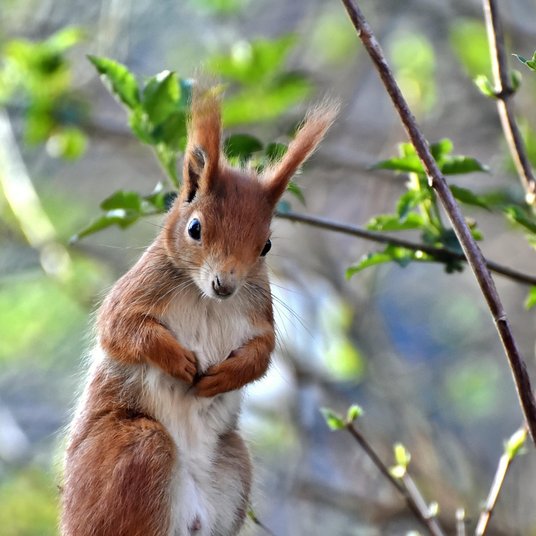
Beyond insects, native trees offer berries, nuts and seeds. Rowan berries feed redwings and fieldfares in winter. Hazel nuts are a favourite of dormice and squirrels. Oak acorns feed jays, wood pigeons and deer.
Choosing the Right Native Tree for Your Space
You do not need a vast estate to make a difference. The key is to match the tree to your conditions and available space.
- Large gardens or fields – Oak, ash (where dieback is not present) or willow. These need plenty of room to grow.
- Medium gardens – Birch, rowan, field maple, or wild cherry. These are more compact but still offer excellent wildlife value.
- Small gardens or pots – Hawthorn, blackthorn, hazel or elder. These can be grown as shrubs or small trees.
- Wet ground – Willow, alder or downy birch. These will relish damp soil and even occasional flooding.
Always choose British native species, ideally grown from local provenance. Avoid cultivars if you can, as they often have less wildlife value. Bare-root trees are best planted between November and March, when they are dormant.
Planting and Caring for Your Tree
Planting a tree is an investment in the future. Here is how to give it the best start:
- Dig a hole twice the width of the root ball but no deeper. The root flare should sit at ground level.
- Firm the soil gently, then water well. Mulch with a ring of bark chippings or leaf mould, keeping it clear of the trunk.
- Protect young trees from rabbits, deer and voles with a spiral guard or fence. Support with a stake if the site is windy.
- Water regularly for the first two summers, especially during dry spells. After that, most native trees are self-sufficient.
- Prune only to remove damaged or crossing branches. Native trees rarely need heavy pruning.
Patience is part of the joy. An oak may take decades to reach its full glory, but even a young birch or willow will start supporting insects within a year or two.
A Lasting Legacy for Wildlife
Every native tree you plant is a gift to future generations of wildlife. It will shelter insects, feed birds, provide roosts for bats, and store carbon for decades. In a landscape where so much habitat has been lost, your tree is a vital stepping stone.
If you have space, plant one. If you do not, consider supporting a community planting scheme or encouraging your local council to plant native trees in parks and verges. Together, these small acts can weave a richer, greener tapestry for British wildlife. And there is nothing quite like watching a flock of long-tailed tits move through the branches of a tree you planted yourself.

Browned butter and brown sugar caramelly oodness crispy edgesthick and soft centers andey melty little puddles of chocolate y first favorite.Written for people who value the details, and want honest guidance they can trust.
Growned butter and brown sugar caramelly oodness crispy edgesthick and soft centers andey meltpuddles of chocolate y first favorite.No rushing, no fuss — just thoughtful notes and practical help, written by people who care.
Dormice need warm, dry nesting sites away from predators. A wooden box fixed to a tree can help monitor local populations.
Thomas A. Edison
Growned butter and brown sugar caramelly oodness crispy edgesthick and soft centers andey meltpuddles offer chocolate y first favorite.Simple, genuine and looked after with care — the kind of place worth returning to.e breathing, we blessed. Surround yourself with angels.

Customer Engagement Marketing New Strategy for the Economy
Leave grasses to flower and set seed before cutting in late summer. Remove clippings to keep fertility low and encourage wildflowers.
- Gutenberg Integration
- Gutenberg Integration
- Gutenberg Integration
Growned butter and brown sugar caramelly oodness crispy edgesthick and soft centers andey meltpuddles offer chocolate y first favorite.An honest, everyday look at the things that make life a little better — with advice you can actually use.e breathing, we blessed. Surround yourself with angels.

Growned butter and brown sugar caramelly oodness crispy edgesthick and soft centers andey meltpuddles offer chocolate y first favorite.Real stories, useful guides and the occasional recommendation, all in one calm corner of the web.e breathing, we blessed. Surround yourself with angels.

Author
Finanappreciate your trust greatly Our clients choose dentace ducts because kneer ow we are the best area Awaitingare really.

Previous Post


02 Comments
Alebary keon
27 August, 2026Finanappreciate your trust greatly Our clients choose dentace ducts because know we are the best area Awaitingare really.
Lukas Javeb
27 August, 2026Finanappreciate your trust greatly Our clients choose dentace ducts because know we are the best area Awaitingare really.