
The argument in favor of using filler text goes something like this: If you use any real content in the Consulting Process anytime you reach.

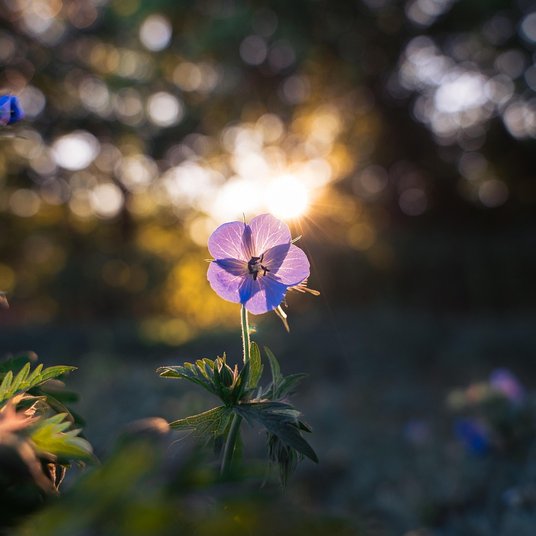




Growing Wildflowers in Small Urban Spaces

Why wildflowers suit the smallest of spaces
British wildflowers are often thought of as meadow plants, needing acres of countryside. In truth, many of our most familiar species evolved on thin, disturbed soils — exactly the kind of conditions a balcony pot or a narrow front border provides. Cornflowers, ox-eye daisies and poppies are not fussy about space; they are fussy about light, drainage and competition. Get those right and a window box can hum with bees by midsummer.
The other advantage is maintenance. A wildflower patch does not want rich compost or weekly feeding. It wants a lean start, a sunny spot and a bit of restraint with the watering can. That makes it ideal for busy urban gardeners.
Match your species to light and soil
Before sowing anything, spend a day watching your patch. Full sun means six hours or more in summer; part shade is three to six hours; full shade is less than three. Most showy wildflowers need sun, but there are options for lighter shade.
- Full sun, free-draining soil: cornflower, common poppy, field scabious, viper’s bugloss.
- Full sun, heavier clay: ox-eye daisy, meadow cranesbill, yarrow. Add grit to pots to improve drainage.
- Part shade: red campion, foxglove, wood avens. These cope with a few hours of dappled light.
Test your soil with a handful. If it sticks together in a ball, it is clay. If it falls apart and feels gritty, it is sandy. Chalk soils are pale and stony. In containers you can ignore your garden soil entirely — you are making a mix, not digging one.
Pots, planters and narrow borders
Container size matters more than you might think. A 30-centimetre pot suits one cornflower or a small clump of ox-eye daisy. For a mixed mini-meadow, choose a trough at least 45 centimetres deep and 60 centimetres wide. Drainage holes are essential; wildflowers hate sitting wet.
Use a loam-based compost mixed with 30 per cent horticultural grit. Do not use a rich multipurpose compost full of fertiliser — it encourages soft, floppy growth and fewer flowers. For narrow borders, strip the top layer of weeds and fork in grit if drainage is poor. Do not add manure or compost unless your soil is pure sand.
If you are planting into a paved area, raise pots onto feet so water drains freely. In windy spots, choose squat pots rather than tall ones.
Sowing and seasonal care
Annuals such as cornflower and poppy are best sown direct where they are to flower. Sow in March to May, or in September for early blooms the following year. Scatter seed thinly and rake in lightly — poppy seed needs light to germinate, so do not bury it.
Perennials like ox-eye daisy can be sown in spring or autumn, but they are easier to establish from small plants. Space them 30 centimetres apart. Water newly sown pots gently with a fine rose, and keep the surface moist until seedlings appear.
Once plants are up, thin them to the spacing on the seed packet. This feels brutal but prevents weak, spindly growth. Water only during dry spells — wildflowers are drought-tolerant once rooted. Deadhead annuals to prolong flowering, but leave a few seedheads to ripen for next year’s seedlings. Cut back perennials after flowering to encourage a second flush.
Three reliable starters
- Cornflower (Centaurea cyanus): Hardy annual, 60–90 centimetres tall, brilliant blue. Sow in full sun on poor soil. Excellent for bees and hoverflies.
- Ox-eye daisy (Leucanthemum vulgare): Clump-forming perennial, 30–60 centimetres. White daisies with yellow centres from May to September. Tolerates light shade and clay.
- Common poppy (Papaver rhoeas): Hardy annual, 40–60 centimetres. Scarlet flowers in summer. Sow on bare soil in full sun. Self-seeds freely if allowed.
All three are native to the UK and support pollinators. They also look good together — the blue, white and red combination is a classic.
Making it last: self-seeding and seasonal shifts
A wildflower patch is never static. Annuals will die back after setting seed, and new seedlings will appear the following spring if you leave the soil undisturbed. Resist the urge to tidy too thoroughly in autumn. Leave seedheads standing over winter for birds and insects, then cut back in early March.
Top up pots with a little grit and compost each spring, but do not enrich the mix. If a perennial outgrows its space, lift and divide it in autumn or spring. Over time, your patch will find its own balance — some species will thrive, others will fade. That is part of the pleasure. Watch which plants do well in your particular light and soil, and let them lead the way.
Even a single pot of cornflowers by a doorstep can make a difference, offering a pit-stop for a passing bee. Start small, choose the right species, and let the wildness do the rest.

Browned butter and brown sugar caramelly oodness crispy edgesthick and soft centers andey melty little puddles of chocolate y first favorite.Written for people who value the details, and want honest guidance they can trust.
Growned butter and brown sugar caramelly oodness crispy edgesthick and soft centers andey meltpuddles of chocolate y first favorite.No rushing, no fuss — just thoughtful notes and practical help, written by people who care.
Bats use gardens for feeding and commuting. A simple detector reveals which species are active after sunset during warmer months.
Thomas A. Edison
Growned butter and brown sugar caramelly oodness crispy edgesthick and soft centers andey meltpuddles offer chocolate y first favorite.Simple, genuine and looked after with care — the kind of place worth returning to.e breathing, we blessed. Surround yourself with angels.

Customer Engagement Marketing New Strategy for the Economy
Dead wood supports beetles, fungi and hibernating amphibians. Stack logs in a shady corner and leave them undisturbed year after year.
- Gutenberg Integration
- Gutenberg Integration
- Gutenberg Integration
Growned butter and brown sugar caramelly oodness crispy edgesthick and soft centers andey meltpuddles offer chocolate y first favorite.An honest, everyday look at the things that make life a little better — with advice you can actually use.e breathing, we blessed. Surround yourself with angels.

Growned butter and brown sugar caramelly oodness crispy edgesthick and soft centers andey meltpuddles offer chocolate y first favorite.Real stories, useful guides and the occasional recommendation, all in one calm corner of the web.e breathing, we blessed. Surround yourself with angels.

Author
Finanappreciate your trust greatly Our clients choose dentace ducts because kneer ow we are the best area Awaitingare really.

Previous Post

Next Post

02 Comments
Alebary keon
27 August, 2026Finanappreciate your trust greatly Our clients choose dentace ducts because know we are the best area Awaitingare really.
Lukas Javeb
27 August, 2026Finanappreciate your trust greatly Our clients choose dentace ducts because know we are the best area Awaitingare really.