
The argument in favor of using filler text goes something like this: If you use any real content in the Consulting Process anytime you reach.



A Beginner's Guide to British Bumblebee Identification
Why bumblebees are the perfect place to start
Britain is home to around twenty-four species of bumblebee, but the honest truth is that a handful of them account for the vast majority of what you will ever see in a garden, park or hedgerow. Bumblebees are large, unhurried and wonderfully obliging. They sit still on a flower long enough for you to look properly, and they rarely sting unless they are trapped or squashed. You do not need a net, a hand lens or a degree in entomology. A sunny border, a camera or phone, and twenty minutes of patience will carry you a long way.
The four features to check first
Before you worry about species, work through the same four questions every time. Answering them in order will narrow almost every bee you meet down to a shortlist.
- Tail colour. Look at the very tip of the abdomen. Is it white, buff, red, orange or ginger? A few species have no distinct tail colour at all, which is itself a useful clue.
- Banding. Count the pale bands. There is normally one on the thorax (the middle section, where the wings attach) and up to two or three on the abdomen. Note exactly where they sit, because position matters more than the total number.
- Size. Compare the bee to a honeybee. Queens in spring are enormous, workers in midsummer are much smaller, and males are scruffier with longer antennae. Size alone never confirms a species, but it helps enormously.
- Face length. A few species have a noticeably long, horse-like face, which you can sometimes glimpse when the bee is pushed deep into a foxglove or a comfrey flower.
Meet the seven you are most likely to see
These are the everyday bumblebees of most of the UK. Learn them and you will recognise the great majority of your sightings.
- Buff-tailed bumblebee. Large, with two yellow bands and a tail that is white with a dirty buff or biscuit tinge. The queen, out in early spring, often looks distinctly beige at the tail. The commonest bumblebee in many gardens.
- White-tailed bumblebee. Very similar but slimmer, with cleaner lemon-yellow bands and a crisp white tail. If in doubt, the buff-tailed queen's tail usually betrays a hint of cream rather than pure white.
- Red-tailed bumblebee. Unmistakable in the female: almost entirely black with a bold red tail. Males are fluffier, with a yellow band across the thorax and a yellow face.
- Early bumblebee. Small and neat, with a yellow thorax band, a second yellow band on the abdomen and a bright orange-red tail. One of the first bees out in spring and often the smallest bumblebee in the garden.
- Garden bumblebee. Long-faced and handsome, with three yellow bands, one on the thorax and two on the abdomen, and a clean white tail. A regular on foxgloves and honeysuckle.
- Common carder bee. Entirely ginger-brown and fluffy, with no clear bands and no coloured tail. It often looks as though it has been through a hedge backwards, which is part of its charm.
- Tree bumblebee. Ginger thorax, black abdomen and white tail. A relative newcomer that arrived in southern England in 2001 and has spread rapidly north. It frequently nests in bird boxes, hence the name.
Do not be fooled by cuckoo bumblebees
Several of our bumblebees have cuckoo relatives that look similar but live very differently. Cuckoo bumblebees do not collect pollen, so they have no pollen baskets on their hind legs, and they tend to have darker, sparser hair and a shinier appearance. Rather than building a nest of their own, they take over the nest of a host species. If you see a bee that matches a common species but looks dark, ragged and carries no pollen load, you may well have found a cuckoo. Record it anyway, and note which species it resembles.
Practical tips for getting a good look
- Photograph the bee from above and from the side if you can. The top view shows the bands, the side view shows the tail.
- Try early morning or early evening, when bees are sluggish and linger longer on each flower.
- Watch a favourite patch of flowers for a week. Getting familiar with the same individuals will sharpen your eye faster than any field guide.
- Note the date, the location and the plant the bee was visiting. These details turn a pleasant sighting into a genuinely useful record.
- Remember that queens, workers and males of the same species can look quite different. A bee in March is not the same animal as one in August.
Recording your sightings
Identification is satisfying on its own, but it becomes properly valuable when you write down what you see. Bumblebee distributions have shifted dramatically over the past fifty years, with some species retreating to coastal and upland strongholds, and reliable, dated records from ordinary gardens are exactly what conservationists need in order to track those changes.
The simplest approach is to note the species, the date, the place and the flower, then pass it on to your county environmental records centre or local wildlife trust. Many counties also have a volunteer bumblebee recorder who is always glad of sightings. National recording schemes gather bee records all year round, and joining a regular fixed-route walk is a brilliant way to build a long-term dataset from your own neighbourhood.
Please do not overlook the common species. Records of buff-tailed and white-tailed bumblebees from across the country help establish a baseline that makes the rarer records meaningful. Even an uncertain sighting is more useful than a memory, and the more of us who look closely at the bees on our doorstep, the better we will understand what is happening to them.

Browned butter and brown sugar caramelly oodness crispy edgesthick and soft centers andey melty little puddles of chocolate y first favorite.Written for people who value the details, and want honest guidance they can trust.
Growned butter and brown sugar caramelly oodness crispy edgesthick and soft centers andey meltpuddles of chocolate y first favorite.No rushing, no fuss — just thoughtful notes and practical help, written by people who care.
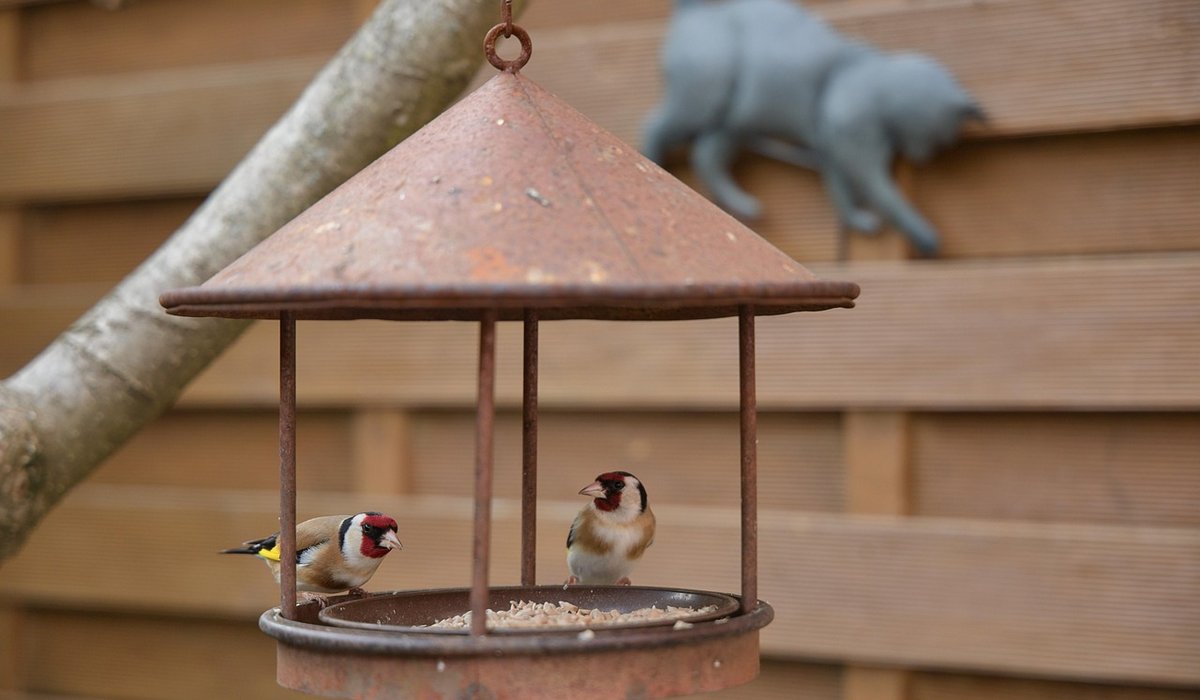
Use a fast shutter speed, natural perches and patience to capture lively feeder visitors. Clean backgrounds and soft light improve every image.
Thomas A. Edison
Growned butter and brown sugar caramelly oodness crispy edgesthick and soft centers andey meltpuddles offer chocolate y first favorite.Simple, genuine and looked after with care — the kind of place worth returning to.e breathing, we blessed. Surround yourself with angels.

Customer Engagement Marketing New Strategy for the Economy
Hawthorn, blackthorn and hazel provide nesting cover and berries for birds. A mixed native hedge supports insects throughout the year.
- Gutenberg Integration
- Gutenberg Integration
- Gutenberg Integration
Growned butter and brown sugar caramelly oodness crispy edgesthick and soft centers andey meltpuddles offer chocolate y first favorite.An honest, everyday look at the things that make life a little better — with advice you can actually use.e breathing, we blessed. Surround yourself with angels.

Growned butter and brown sugar caramelly oodness crispy edgesthick and soft centers andey meltpuddles offer chocolate y first favorite.Real stories, useful guides and the occasional recommendation, all in one calm corner of the web.e breathing, we blessed. Surround yourself with angels.

Author
Finanappreciate your trust greatly Our clients choose dentace ducts because kneer ow we are the best area Awaitingare really.

Previous Post


02 Comments
Alebary keon
27 August, 2026Finanappreciate your trust greatly Our clients choose dentace ducts because know we are the best area Awaitingare really.
Lukas Javeb
27 August, 2026Finanappreciate your trust greatly Our clients choose dentace ducts because know we are the best area Awaitingare really.