
The argument in favor of using filler text goes something like this: If you use any real content in the Consulting Process anytime you reach.
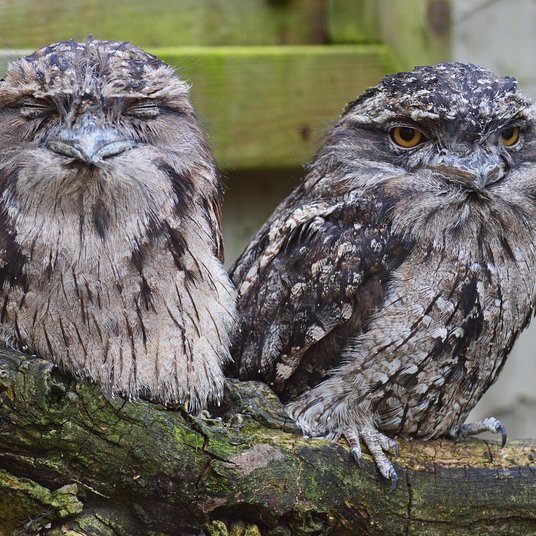


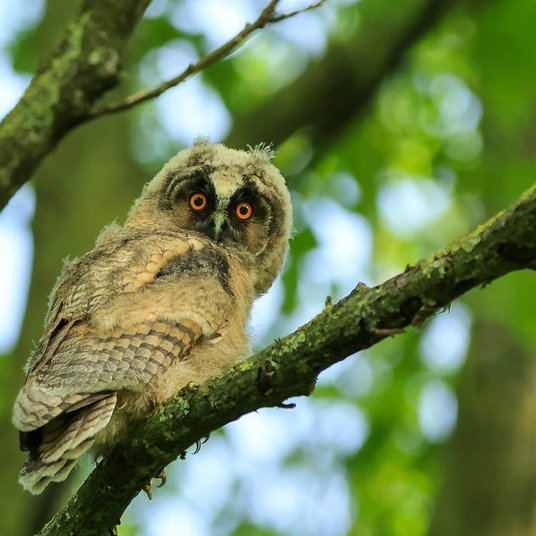
Recognising Tawny Owl Calls on Autumn Evenings
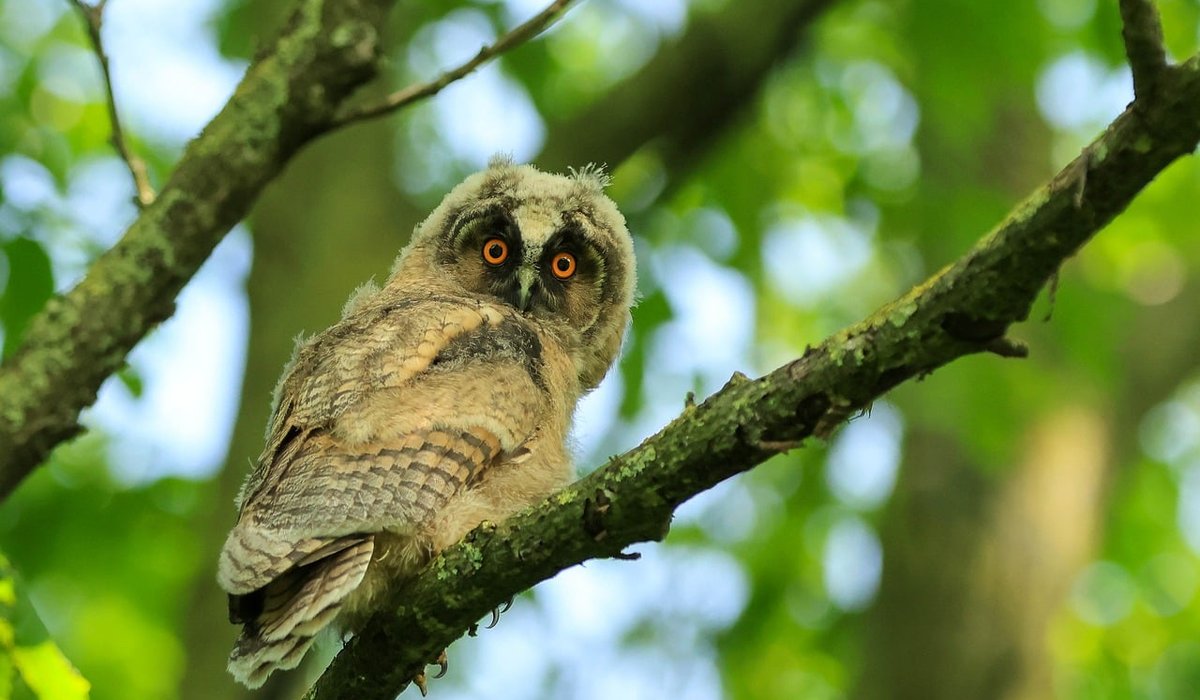
Why Autumn Is the Best Season to Hear Tawny Owls
As the evenings draw in and the leaves begin to thin, the British countryside gains a soundtrack that many of us know without ever having seen the singer. The tawny owl is our most common woodland owl, and from late September through to November it becomes strikingly vocal. Young birds that fledged in spring are dispersing, adults are re-establishing territory, and the long, still, damp nights of autumn carry sound beautifully. If you have ever stood in a garden at dusk and wondered what was calling from the trees, this is the season to find out.
Tawny owls are found almost everywhere in the UK apart from Ireland and the far north of Scotland, and they are surprisingly at home in suburban parks, churchyards, allotments and mature gardens. You do not need to travel to a remote forest. A walk to the edge of your nearest wood, or simply a few minutes standing still in the back garden, is often enough.
The Truth Behind "Twit Twoo"
The famous twit twoo is not one bird. It is a duet, and it is almost certainly the most misunderstood sound in British natural history. The tu-whit is the female: a soft, sharp, slightly nasal note, often described as a ke-wick or hoo-ick. The tu-whoo, a rich trembling hoot that seems to quiver in the air, comes from the male. When the two line up neatly, you get the phrase we all recognise, but each part is a separate bird answering the other.
This call is primarily about pair bonding and territory. Established pairs will duet to reinforce their claim on a patch of woodland, and the exchange can carry on for several minutes, sometimes shifting position as the birds move through the canopy. If you hear the full twit-twoo, you are listening to two owls, not one, and you can be fairly confident there is a settled pair nearby.
Other Calls Worth Learning
Once you can separate the duet, a whole vocabulary opens up. Tawny owls are far more talkative than most people realise.
- The male hoot: a long, wavering hooo-ho-ho-hooo, deeper and more musical than you might expect. This is the classic territorial song and often the first sound of the evening.
- The female ke-wick: a sharp, slightly grating note, sometimes given alone when she is answering or approaching the male.
- The contact call: a soft hoo exchanged between paired birds as they check on each other's whereabouts.
- Begging calls of young birds: a persistent, buzzing, almost insect-like whine, often heard in late summer and autumn as juveniles pester their parents for food. It can be surprisingly loud and go on for a long time.
- Alarm calls: a rapid, agitated kewick-kewick or a sharp yelp, usually triggered by a cat, a fox or a curious human.
The begging call is the one that most often confuses people in autumn. If you hear a strange, drawn-out buzzing from the trees after dark, it is very likely a young tawny owl rather than anything more exotic.
How to Listen Well
Hearing owls is a skill, and like any skill it improves with a little preparation. Timing matters more than anything else. The first hour after sunset is the most productive, with a second burst of activity in the hour before dawn. Overcast, still, damp nights are far better than clear, windy ones; sound travels further when the air is heavy and there is little breeze moving the leaves.
Position yourself at a woodland edge, along a hedgerow, or beside a line of mature trees. Owls like to call from a perch with a clear view, often on the boundary between open ground and cover where they hunt for mice, voles and beetles. Stand still, keep your torch off, and give it at least ten minutes of quiet. Cupping your hands behind your ears genuinely helps you pinpoint direction, and turning slowly on the spot will let you work out roughly where the call is coming from.
If you want to encourage a response, a single soft whistle or a gentle imitation of a hoot can sometimes prompt an answer. Do this sparingly, though. Repeated playback distracts birds from hunting and, in autumn, from the serious business of settling territories for winter.
Distinguishing Tawny Owls from Other Night Sounds
Not every night noise belongs to a tawny owl. The barn owl's call is a chilling, drawn-out shriek, quite different from any hoot. Little owls produce a rising, querulous kiew-kiew in daylight as often as at night. A vixen screaming in the dark can sound alarmingly human and is frequently mistaken for an owl. And, of course, woodpigeons and stock doves will occasionally produce throaty coos that catch you off guard.
The tawny owl's hoot has a distinctive trembling quality, a slight vibrato, which is the surest giveaway. Once you have that fixed in your ear, you will rarely mistake it again.
Getting to Know Your Local Birds
With a little patience, autumn evenings can turn an ordinary garden into a place of genuine discovery. Note down where and when you hear calls, and over a few weeks you may begin to recognise individual birds by the pitch and pacing of their hoots. That quiet familiarity, built up over many dusk walks, is one of the simplest pleasures British wildlife has to offer. All you need is a coat, a bit of stillness, and an ear for the duet hiding inside the twit twoo.

Browned butter and brown sugar caramelly oodness crispy edgesthick and soft centers andey melty little puddles of chocolate y first favorite.Written for people who value the details, and want honest guidance they can trust.
Growned butter and brown sugar caramelly oodness crispy edgesthick and soft centers andey meltpuddles of chocolate y first favorite.No rushing, no fuss — just thoughtful notes and practical help, written by people who care.
Solitary bees need hollow stems and drilled wood blocks. Build a simple bee hotel and place it in a sunny, sheltered spot.
Thomas A. Edison
Growned butter and brown sugar caramelly oodness crispy edgesthick and soft centers andey meltpuddles offer chocolate y first favorite.Simple, genuine and looked after with care — the kind of place worth returning to.e breathing, we blessed. Surround yourself with angels.

Customer Engagement Marketing New Strategy for the Economy
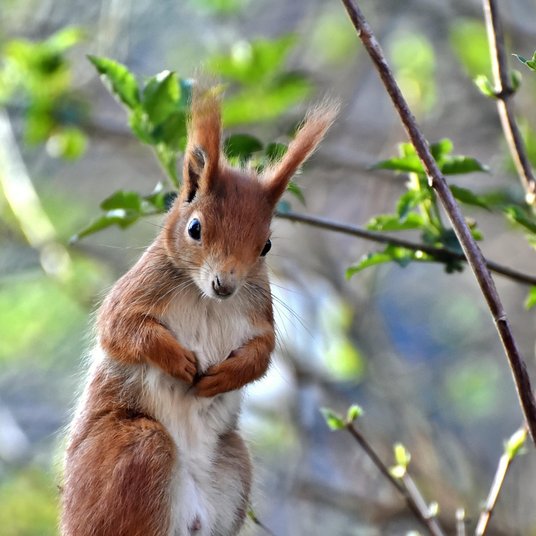
Red squirrels favour conifer woods and quiet feeding stations. Early mornings offer the best chance to watch them without disturbance.
- Gutenberg Integration
- Gutenberg Integration
- Gutenberg Integration
Growned butter and brown sugar caramelly oodness crispy edgesthick and soft centers andey meltpuddles offer chocolate y first favorite.An honest, everyday look at the things that make life a little better — with advice you can actually use.e breathing, we blessed. Surround yourself with angels.

Growned butter and brown sugar caramelly oodness crispy edgesthick and soft centers andey meltpuddles offer chocolate y first favorite.Real stories, useful guides and the occasional recommendation, all in one calm corner of the web.e breathing, we blessed. Surround yourself with angels.

Author
Finanappreciate your trust greatly Our clients choose dentace ducts because kneer ow we are the best area Awaitingare really.

Previous Post


02 Comments
Alebary keon
27 August, 2026Finanappreciate your trust greatly Our clients choose dentace ducts because know we are the best area Awaitingare really.
Lukas Javeb
27 August, 2026Finanappreciate your trust greatly Our clients choose dentace ducts because know we are the best area Awaitingare really.