
The argument in favor of using filler text goes something like this: If you use any real content in the Consulting Process anytime you reach.

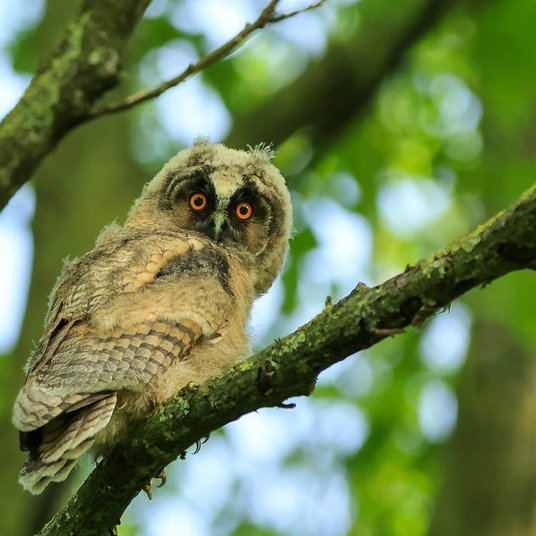
Spotting Red Squirrels in Northern Woodlands
Why the Northern Woods Are Red Squirrel Country
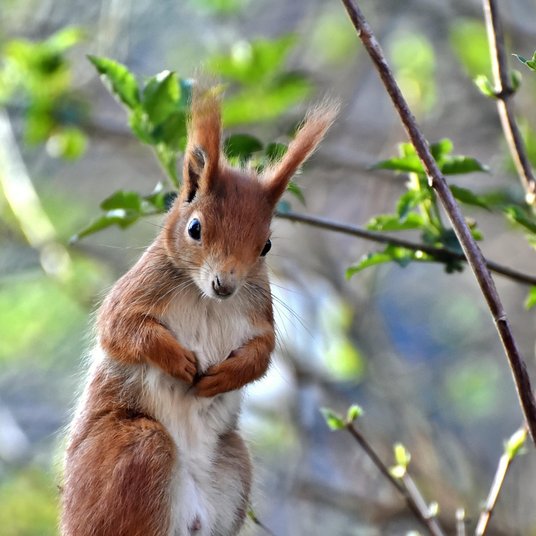
Red squirrels are a genuine woodland specialist, and nowhere suits them better than the conifer forests of northern Britain. A stand of Scots pine, Norway spruce or larch gives them almost everything they need: a reliable cone crop, high cover from buzzards and goshawks, and a canopy that stays reasonably dense through the winter. Broadleaf woods can hold them too, but add grey squirrels to the mix and the reds usually lose out, both through competition for food and through squirrelpox, which leaves greys largely unaffected but is almost always fatal to a red.
That is why your best chances lie in the strongholds: the pinewoods of the Scottish Highlands, Galloway and Argyll, the border forests around Kielder, the wooded valleys of Cumbria, and the coastal pine plantations of Northumberland and Lancashire. Anglesey, the Isle of Wight and Brownsea Island hold populations too, but the northern conifer woods offer the classic experience of a genuinely wild animal going about its business above your head.
Reading the Signs Before You See a Squirrel
Reds are small, quiet and often high up, so learn to spot where they have been. A few minutes spent looking down will tell you whether it is worth settling in for a wait.
- Stripped cones. Look for cone cores on stumps, logs and fallen branches. Red squirrels nibble the scales away neatly and leave a thin, clean spindle; greys tend to leave a rougher, more chewed mess.
- Middens. These are piles of discarded cone scales and cores built up over years, often at the base of a favoured feeding tree or on a raised root plate. A fresh midden is a strong hint that a territory is occupied.
- Dreys. Look for a football-sized ball of twigs, moss and soft lichen wedged against a trunk, in a fork, or tight against a branch on the sheltered side of a conifer. They are easy to mistake for a crow's nest, but a drey is denser and usually lined with softer material.
- Chewed bark and fungi. Strips of bark, and mushrooms or boletus with neat bites taken out, are all typical red squirrel sign. They also take hazelnuts, seeds and buds when cones are scarce.
Time Your Visit for the First Light
Red squirrels follow the light. They stir soon after dawn, feed hard for the first two or three hours, rest through the middle of the day and often become active again in late afternoon. On a calm, dry morning, arriving at the wood while it is still grey and half-lit will put you in position before the first animal moves.
Autumn is the peak. From late September through November, squirrels are caching cones and fungi with real urgency, which means more movement through the canopy and more comings and goings on the ground. Spring is nearly as good: February to April brings courtship chases, with birds and squirrels alike making the most of the lengthening days. In high summer, shade and foliage work against you, and the animals are quietest. Cold, clear, still weather after a frost is often better than a mild, damp day; wind and heavy rain keep them tucked up in the drey.
Fieldcraft: Watching Without Disturbing
Quiet is everything. A red squirrel's alarm call is a sharp, scolding rattle, and once you hear it the game is up – the animal will freeze, flatten against a branch and then vanish. Avoid it with a few simple habits.
- Wear muted greens, browns or greys. Bright waterproofs seem to glow in woodland light.
- Walk softly on paths, and avoid scuffing through leaf litter or snapping dead twigs.
- Stop and stand still rather than stalking. Let movement in the canopy draw your eye; the squirrel is far more tolerant of a stationary figure.
- Keep a respectful distance – at least ten metres from a feeding animal, more if it is on the ground – and use binoculars rather than edging closer.
- Move slowly and in one direction. Sudden changes of position, or raising a camera too quickly, send them up the trunk in a spiralling run.
- Keep dogs on a short lead, and leave the wood as you found it.
Feeding Stations and Hide Etiquette
Many northern woods have feeding stations, usually a scatter of peanuts, hazelnuts and sunflower seeds on a raised platform or stump. These are wonderful for close views, but they change the rules slightly. Approach quietly and pause well back to let the wood settle; a squirrel that bolts from a feeder may stay away for half an hour. Stand or sit to the side rather than directly beside the platform, and never block the animal's line of retreat into the trees.
Do not put food out yourself in areas where greys are present, as feeders concentrate animals and speed the spread of disease. Stick to feeding stations that are already managed, keep your hands off the food, and never try to tempt a squirrel onto you. The moment it becomes a hand-out, you have lost the wild behaviour you came to see.
What to Take and When to Go
A pair of 8x42 binoculars is the single most useful item you can carry, with a camera and a long lens second. Take a notebook for sign – cone cores, drey locations, the time and weather – and you will soon build a picture of which trees and which hours belong to the squirrels. A flask, warm layers and a small sit mat make a long, still wait far more comfortable, and patience is the real skill.
Choose a still, dry morning in October or a bright frosty day in February, arrive before sunrise, and settle somewhere with a good view up into the pines. Give it an hour of near-silence and the wood will begin to move around you: a rustle of scales, a flick of a russet tail, and then the small, busy shape of a red squirrel working its way along a branch, entirely unaware that it has made your day.

Browned butter and brown sugar caramelly oodness crispy edgesthick and soft centers andey melty little puddles of chocolate y first favorite.Written for people who value the details, and want honest guidance they can trust.
Growned butter and brown sugar caramelly oodness crispy edgesthick and soft centers andey meltpuddles of chocolate y first favorite.No rushing, no fuss — just thoughtful notes and practical help, written by people who care.
Cornflowers, ox-eye daisies and poppies thrive in pots and narrow borders. Choose species suited to your soil and light levels.
Thomas A. Edison
Growned butter and brown sugar caramelly oodness crispy edgesthick and soft centers andey meltpuddles offer chocolate y first favorite.Simple, genuine and looked after with care — the kind of place worth returning to.e breathing, we blessed. Surround yourself with angels.

Customer Engagement Marketing New Strategy for the Economy
Bats use gardens for feeding and commuting. A simple detector reveals which species are active after sunset during warmer months.
- Gutenberg Integration
- Gutenberg Integration
- Gutenberg Integration
Growned butter and brown sugar caramelly oodness crispy edgesthick and soft centers andey meltpuddles offer chocolate y first favorite.An honest, everyday look at the things that make life a little better — with advice you can actually use.e breathing, we blessed. Surround yourself with angels.

Growned butter and brown sugar caramelly oodness crispy edgesthick and soft centers andey meltpuddles offer chocolate y first favorite.Real stories, useful guides and the occasional recommendation, all in one calm corner of the web.e breathing, we blessed. Surround yourself with angels.

Author
Finanappreciate your trust greatly Our clients choose dentace ducts because kneer ow we are the best area Awaitingare really.

Previous Post


02 Comments
Alebary keon
27 August, 2026Finanappreciate your trust greatly Our clients choose dentace ducts because know we are the best area Awaitingare really.
Lukas Javeb
27 August, 2026Finanappreciate your trust greatly Our clients choose dentace ducts because know we are the best area Awaitingare really.