
The argument in favor of using filler text goes something like this: If you use any real content in the Consulting Process anytime you reach.



How to Build a Log Pile for Wildlife
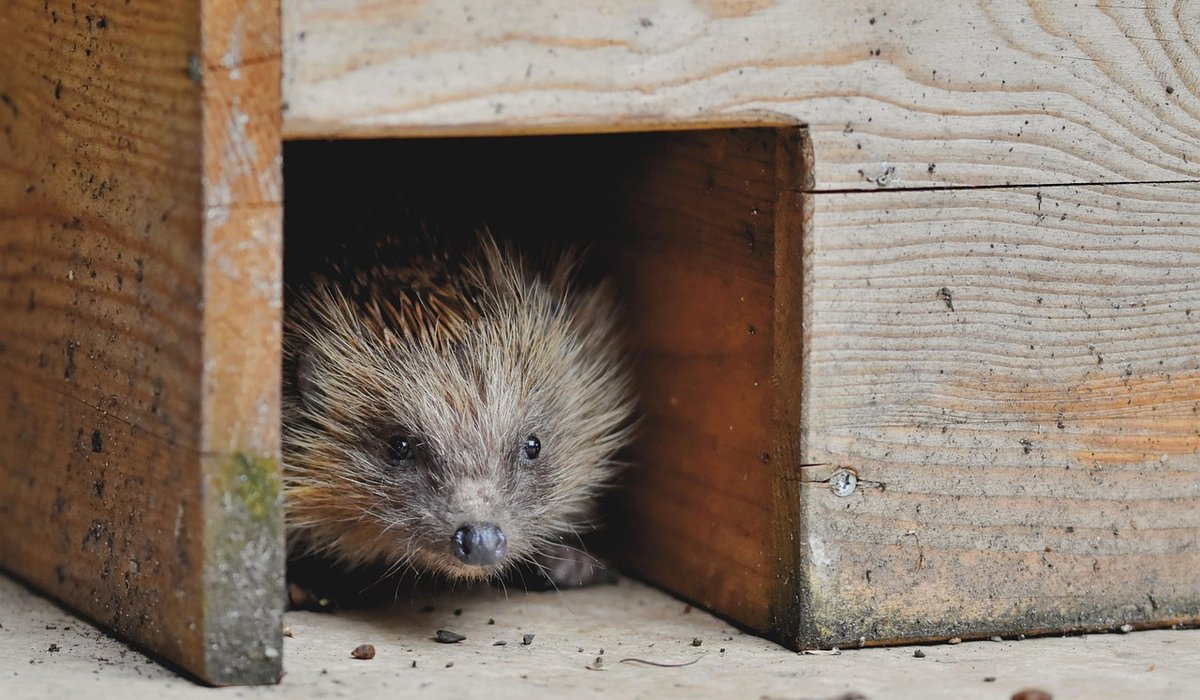
Why Dead Wood Is the Best Thing You Can Put in a Garden
To most of us, a fallen branch is just something to tidy away. To a beetle, it is a home, a larder and a nursery all at once. Dead and decaying wood supports a genuinely startling slice of Britain's wildlife: stag beetles, lesser stag beetles, click beetles, woodlice, centipedes, millipedes, several hundred species of fungus, and a long list of mosses and lichens that grow nowhere else. It is also one of the driest, safest places on earth for a frog to sleep through January.
The trouble is that dead wood disappears from tidy gardens almost as fast as it appears. Every autumn, branches are cleared, stumps ground out and the whole lot carted off to the tip. A log pile is the simplest way of putting some of it back — and unlike a pond or a wildflower meadow, it needs almost no effort at all.
Finding the Right Corner
Choose a spot that stays cool and damp, because that is what the creatures you are catering for actually need. A north-facing wall, the deep shade under a mature tree, or the quiet strip behind a shed all work beautifully. Sun-baked piles dry out quickly and support far less life.
- Aim for a partly shaded or fully shaded spot, ideally with damp soil beneath.
- Keep it at least a metre or two from the house, so damp and insects stay outside your walls.
- Bury the base of the pile slightly into the soil, or lay the bottom logs directly on bare ground. Contact with earth keeps moisture moving up into the wood.
- Position it near a hedge, a compost heap or a pond if you have one — wildlife moves along these corridors.
Size matters less than position, but think of a pile roughly the size of a wheelbarrow as a starting point. Bigger is genuinely better, and if you have room for more than one, so much the better.
Choosing the Wood
Any untreated wood is better than none, but native broadleaved timber is the clear favourite. Oak, beech, ash, apple, cherry, willow, birch and hornbeam all rot down at different speeds, which is exactly what you want: a mix means a long, rolling supply of decaying wood over many years.
A few things worth avoiding:
- Treated or painted timber, including fence posts and decking offcuts. The preservatives are not wildlife-friendly.
- Leylandii and other conifer trimmings, which are acidic and rot slowly.
- Wood from a tree with ash dieback or similar disease, unless it is staying on the same site. Keep your dead wood local.
Variety of diameter helps too. Logs of 10 to 20 centimetres across and 30 to 60 centimetres long are easy to handle and rot at a good pace, but tuck in thicker chunks and some thin twiggy material as well. Twigs and leaf litter fill the gaps and suit a different set of creatures.
How to Stack It
There is no wrong way, but a few small choices make the pile more useful.
- Stack logs loosely, in layers, with the ends facing different directions rather than lined up like a wall.
- Leave some gaps. Barely visible crevices are exactly where beetles, slow worms and hibernating newts will tuck themselves away.
- Push a few logs upright into the ground, part-buried, to mimic standing dead wood. These rot slowly and are excellent for beetles and fungi.
- Heap a little leaf litter, moss or bark peelings around the base and over the top of the pile.
- Include a couple of larger pieces at the bottom for stability, and don't worry if it looks untidy. Untidy is the point.
Avoid making it too compact. A dense, packed stack traps no moisture and offers no hiding places, and it becomes a soggy, airless block that very little wants to live in.
The Hardest Part: Doing Nothing
This is where most log piles fail. They get tidied up in spring, turned over in autumn, or moved when the garden gets a redesign. Every time you disturb the pile, you interrupt a slow process that can take years to complete.
Leave it alone, year after year. Don't turn it. Don't top it up with fresh logs in a way that buries the old ones deep inside. If you want to add more wood, start a second pile nearby and let the first one finish what it is doing. By year three you may see the wood going soft and crumbly, fungi appearing on the surface, and beetles moving in. By year five, a well-sited pile becomes a small ecosystem in its own right.
One important note: if you discover a bat, a great crested newt or a nesting bird in or around your pile, leave it exactly where it is. These species are protected by law, and the pile is doing its job perfectly.
What You Might See
A few of the things worth watching for as the years pass:
- Fungi — sulphur-yellow chicken-of-the-woods brackets, tiny orange candlesnuff, and dark dead man's fingers on the bark.
- Beetles — violet ground beetles and rove beetles hunting along the edges, stag beetles in the south if you are lucky.
- Amphibians — common frogs and toads sheltering in the gaps, smooth and palmate newts tucking in for winter.
- Reptiles — slow worms using the warmth of a sunlit log to bask, then slipping back into the damp underneath.
- Birds — wrens, robins and song thrushes rummaging through the leaf litter at the base for grubs and insects.
Build it once, in the shadiest corner you have, and then resist the urge to interfere. That is the entire secret: a quiet pile of old logs, left alone, quietly becoming one of the richest habitats in your garden.

Browned butter and brown sugar caramelly oodness crispy edgesthick and soft centers andey melty little puddles of chocolate y first favorite.Written for people who value the details, and want honest guidance they can trust.
Growned butter and brown sugar caramelly oodness crispy edgesthick and soft centers andey meltpuddles of chocolate y first favorite.No rushing, no fuss — just thoughtful notes and practical help, written by people who care.
Choose nectar plants for adults and larval food plants for caterpillars. A sunny, sheltered border attracts brimstones, commas and peacocks.
Thomas A. Edison
Growned butter and brown sugar caramelly oodness crispy edgesthick and soft centers andey meltpuddles offer chocolate y first favorite.Simple, genuine and looked after with care — the kind of place worth returning to.e breathing, we blessed. Surround yourself with angels.

Customer Engagement Marketing New Strategy for the Economy
Overcast days reduce harsh shadows and reveal petal detail. Use a low angle, shallow depth of field and a steady hand or tripod.
- Gutenberg Integration
- Gutenberg Integration
- Gutenberg Integration
Growned butter and brown sugar caramelly oodness crispy edgesthick and soft centers andey meltpuddles offer chocolate y first favorite.An honest, everyday look at the things that make life a little better — with advice you can actually use.e breathing, we blessed. Surround yourself with angels.

Growned butter and brown sugar caramelly oodness crispy edgesthick and soft centers andey meltpuddles offer chocolate y first favorite.Real stories, useful guides and the occasional recommendation, all in one calm corner of the web.e breathing, we blessed. Surround yourself with angels.

Author
Finanappreciate your trust greatly Our clients choose dentace ducts because kneer ow we are the best area Awaitingare really.

Previous Post


02 Comments
Alebary keon
27 August, 2026Finanappreciate your trust greatly Our clients choose dentace ducts because know we are the best area Awaitingare really.
Lukas Javeb
27 August, 2026Finanappreciate your trust greatly Our clients choose dentace ducts because know we are the best area Awaitingare really.