
The argument in favor of using filler text goes something like this: If you use any real content in the Consulting Process anytime you reach.
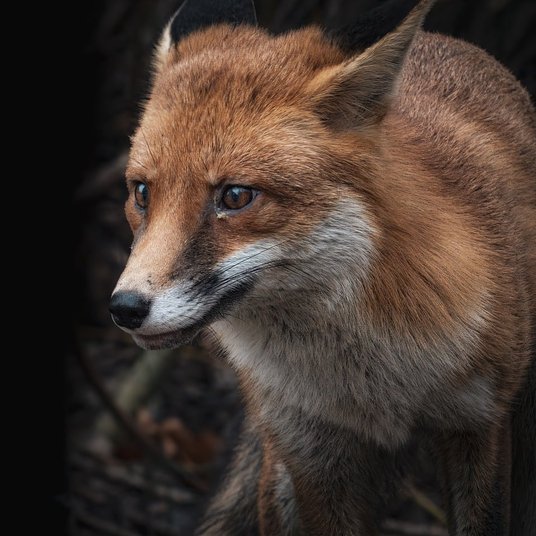
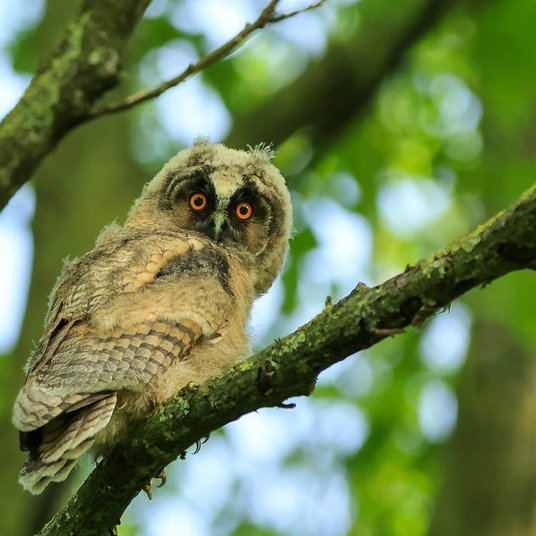
How to Photograph Birds at Your Garden Feeder
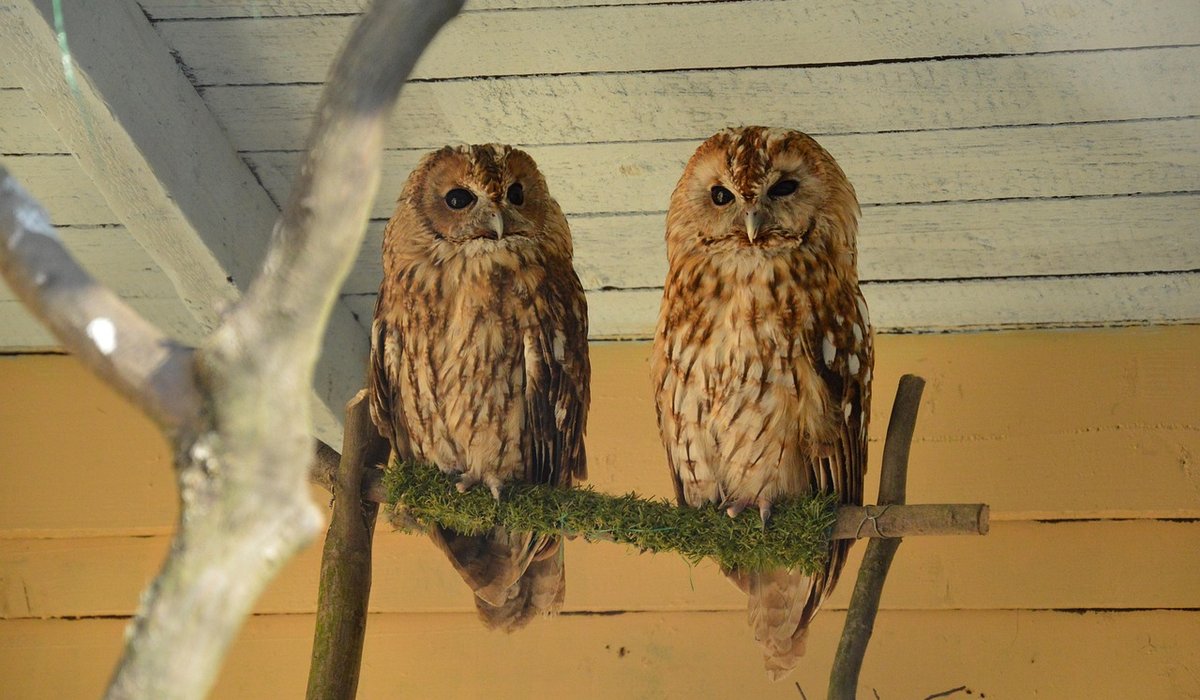
Why the garden feeder is the best classroom in British wildlife photography
Nowhere else in Britain will you find wildlife so willing to sit for you. A well-stocked feeder brings in blue tits, great tits, coal tits, goldfinches, chaffinches, greenfinches, robins, dunnocks and the occasional nuthatch or greater spotted woodpecker, and they come back to the same few twigs, hour after hour. That repetition is the whole point. You get dozens of attempts at the same shot, and you can learn about light, focus and fieldcraft without leaving the garden.
It is also wonderfully cheap. A bag of sunflower hearts, a clean feeder and a spare hour will teach you more than a week chasing rarities on a windswept reserve.
Set your camera up before anything lands
Small birds are fast and twitchy, and most disappointing feeder photographs are simply blurred. Shutter speed is the setting that matters most.
- Active birds at the feeder: aim for 1/1000 sec or faster, and 1/2000 sec if you want to freeze wingbeats.
- A settled bird on a perch: 1/500 sec is usually safe.
- Aperture: f/4 to f/5.6 gives soft backgrounds, but at close range depth of field is razor thin, so f/6.3 to f/8 will often keep the whole bird sharp.
- ISO: use Auto ISO and don't be frightened of 3200 or 6400. A noisy sharp shot beats a clean blurry one every time.
- Drive mode: continuous high, fired in bursts of three to five frames.
Use single-point autofocus or your camera's subject-detection mode, and always place the point on the eye. If the eye is sharp, the picture works. If the eye is soft, nothing else rescues it. Shoot in aperture priority or manual with Auto ISO, check a test frame against the feeder before the birds arrive, and you will not be fiddling with dials when a goldfinch finally lands.
Light and background do more than any lens
Give me a dull grey January morning over a blazing August midday every time. An overcast sky is a giant softbox: it wraps round feathers, holds detail in the whites and blacks, and removes the harsh shadows that spoil garden shots. Early and late sun can be beautiful when it is low and warm, but watch for blown-out highlights on pale breasts.
The background matters just as much. Blur comes from distance, not from a wide aperture alone, so put space between the bird and whatever sits behind it. Shooting across the lawn into a distant hedge gives you a smooth green wash; shooting at a bird with a shed wall a metre behind it gives you clutter. Walk the garden and find the angles where nothing bright or distracting sits in the frame, and move the feeder rather than fighting a bad background. If you are working from indoors, open the window — double glazing robs you of sharpness and adds a green cast to everything.
Give them something better to land on
A bird clamped to a plastic feeder is a record shot. A bird on a mossy branch is a photograph. Fix a natural perch roughly 30 to 50 cm from the feeder, angled so birds approach it head-on, and they will pause on it before hopping across to feed. A lichen-covered twig, a bit of weathered hawthorn, a teasel head, a mossy log or a broken fence post all work beautifully. Hide the feeder behind the perch or simply shoot from an angle that keeps it out of frame.
Birds are suspicious of anything new, so put the perch out a few days before you plan to photograph, and rotate it every week or two to keep the images varied.
Get down to their level and then stay still
Almost every beginner shoots down at feeders from a kitchen window. Kneel, sit on a low stool or lie on the grass and shoot at eye level instead, and your pictures will immediately look more intimate. A beanbag on a garden table, a low tripod or a shed window all make this easier.
Then be patient. Expect the first ten minutes to be quiet: the birds will disappear the moment you settle in, and drift back once they decide you are part of the furniture. Wear dull colours, avoid strong scents, move slowly, and never use recorded calls to pull birds in.
Learn your visitors, and look after them
Every species has its own rhythm. Tits arrive in hit-and-run bursts, robins pose and stare, goldfinches squabble endlessly, and a nuthatch usually announces itself with a sharp call before it appears. The best light and the busiest activity come in the first two hours after dawn and the last hour before dusk. Cold snaps and snow bring birds in constantly, while late summer moult leaves many looking tatty — spring and winter are the prime seasons.
Keep feeders clean and topped up, provide fresh water year-round, and never bait with live food. If a sparrowhawk swoops in, put the camera down and enjoy it; the feeder will be empty for twenty minutes afterwards. And when you edit, be ruthless: twenty good frames from five hundred is a fine return. Crop, straighten, lift the shadows a touch, and leave the saturation slider alone.

Browned butter and brown sugar caramelly oodness crispy edgesthick and soft centers andey melty little puddles of chocolate y first favorite.Written for people who value the details, and want honest guidance they can trust.
Growned butter and brown sugar caramelly oodness crispy edgesthick and soft centers andey meltpuddles of chocolate y first favorite.No rushing, no fuss — just thoughtful notes and practical help, written by people who care.
Hawthorn, blackthorn and hazel provide nesting cover and berries for birds. A mixed native hedge supports insects throughout the year.
Thomas A. Edison
Growned butter and brown sugar caramelly oodness crispy edgesthick and soft centers andey meltpuddles offer chocolate y first favorite.Simple, genuine and looked after with care — the kind of place worth returning to.e breathing, we blessed. Surround yourself with angels.

Customer Engagement Marketing New Strategy for the Economy
The classic 'twit twoo' is actually a duet between male and female. Listen for hoots and ke-wicks after dusk in woodland edges.
- Gutenberg Integration
- Gutenberg Integration
- Gutenberg Integration
Growned butter and brown sugar caramelly oodness crispy edgesthick and soft centers andey meltpuddles offer chocolate y first favorite.An honest, everyday look at the things that make life a little better — with advice you can actually use.e breathing, we blessed. Surround yourself with angels.

Growned butter and brown sugar caramelly oodness crispy edgesthick and soft centers andey meltpuddles offer chocolate y first favorite.Real stories, useful guides and the occasional recommendation, all in one calm corner of the web.e breathing, we blessed. Surround yourself with angels.

Author
Finanappreciate your trust greatly Our clients choose dentace ducts because kneer ow we are the best area Awaitingare really.

Previous Post


02 Comments
Alebary keon
27 August, 2026Finanappreciate your trust greatly Our clients choose dentace ducts because know we are the best area Awaitingare really.
Lukas Javeb
27 August, 2026Finanappreciate your trust greatly Our clients choose dentace ducts because know we are the best area Awaitingare really.