
The argument in favor of using filler text goes something like this: If you use any real content in the Consulting Process anytime you reach.


Supporting House Sparrows in Town Gardens
Why house sparrows need a helping hand
House sparrows were once the most familiar birds in Britain’s towns and villages. Their cheerful chirping filled every street. Today, they have vanished from many urban areas. The reasons are complex, but they all point to a loss of the small, scruffy corners that sparrows rely on. Modern gardens are often too tidy: paving replaces soil, hedges are cut back hard, and old buildings are sealed tight. Without dense cover, reliable food, and safe nesting spots, sparrows cannot thrive. The good news is that town gardens can reverse this decline. A few thoughtful changes will bring these sociable birds back to your doorstep.
Plant a thick hedge for shelter and nesting
House sparrows are shy, colonial birds. They need dense, thorny shrubs to hide from cats and sparrowhawks, to shelter from wind and rain, and to nest safely. A thick hedge is the single best thing you can offer. Choose native species such as hawthorn, blackthorn, holly, and yew. These provide berries, insects, and impenetrable cover. If you prefer something faster-growing, consider privet, cotoneaster, or pyracantha. Ivy is superb: its dense evergreen tangle offers nesting sites and winter roosts. Aim for a hedge at least 1.5 metres tall and 1 metre deep. Avoid trimming between March and August, when sparrows are nesting. Let the hedge grow a little wild – untidy is good. If you have space, plant a mixed hedge so different shrubs flower and fruit at different times. This also supports the insects that sparrows need to feed their young.
Offer reliable food throughout the year
Sparrows are seed-eaters for much of the year, but they switch to insects during the breeding season. Chicks cannot survive on seeds alone – they need protein-rich caterpillars, aphids, and grubs. So your garden must provide both. Put out seeds every day, not just in winter. House sparrows prefer small seeds: millet, canary seed, sunflower hearts, and crushed oats. They will also take peanut granules, but avoid whole peanuts, which can choke chicks. Live or dried mealworms are invaluable from spring to late summer. Offer them on a tray or in a shallow dish, and never let them go mouldy. A ground feeder or bird table works well, as sparrows prefer to feed in groups. Clean feeders weekly with hot soapy water to prevent disease.
- Sunflower hearts and millet mixes
- Dried or live mealworms (especially April to August)
- Crushed oats and peanut granules
- Grit and crushed eggshell for digestion
Keep food off the ground if cats are a problem, but sparrows do love to forage on lawns. A few scattered seeds will encourage natural behaviour. Never put out bread or salty scraps – they offer little nutrition and attract rats.
Create a dust bath and a source of water
House sparrows dust bathe to keep their feathers in top condition. They roll in dry, fine soil to absorb excess oil and remove parasites. You can make a simple dust bath: a shallow tray or old tyre filled with dry sand, fine soil, and a little wood ash. Place it in a sunny, sheltered spot. Keep it dry – cover it in wet weather. Water is equally important. A shallow bird bath or a dish with a gently sloping edge will attract sparrows for drinking and bathing. Change the water daily in summer, and check it hasn’t frozen in winter. A few stones in the bottom give birds a safe footing. Clean the bath regularly to prevent algae and disease.
Provide nesting places
House sparrows nest in colonies, often in holes and crevices under eaves, in walls, or in dense ivy. If your house has gaps under roof tiles or in brickwork, leave them be – they are prime sparrow real estate. You can also put up nest boxes. Choose boxes with a 32mm entrance hole, designed for house sparrows. Hang them in clusters of three to five, at least 2 metres high, under the eaves or on a sheltered wall. Face them north or east to avoid overheating. Sparrows will also use open-fronted boxes, but the hole type is best. Do not disturb nesting birds. Provide nesting material nearby: dry grass, moss, feathers, and short lengths of wool. Avoid human hair, which can tangle. Clean boxes out in late autumn, once breeding has finished.
Make your garden a sparrow-friendly haven
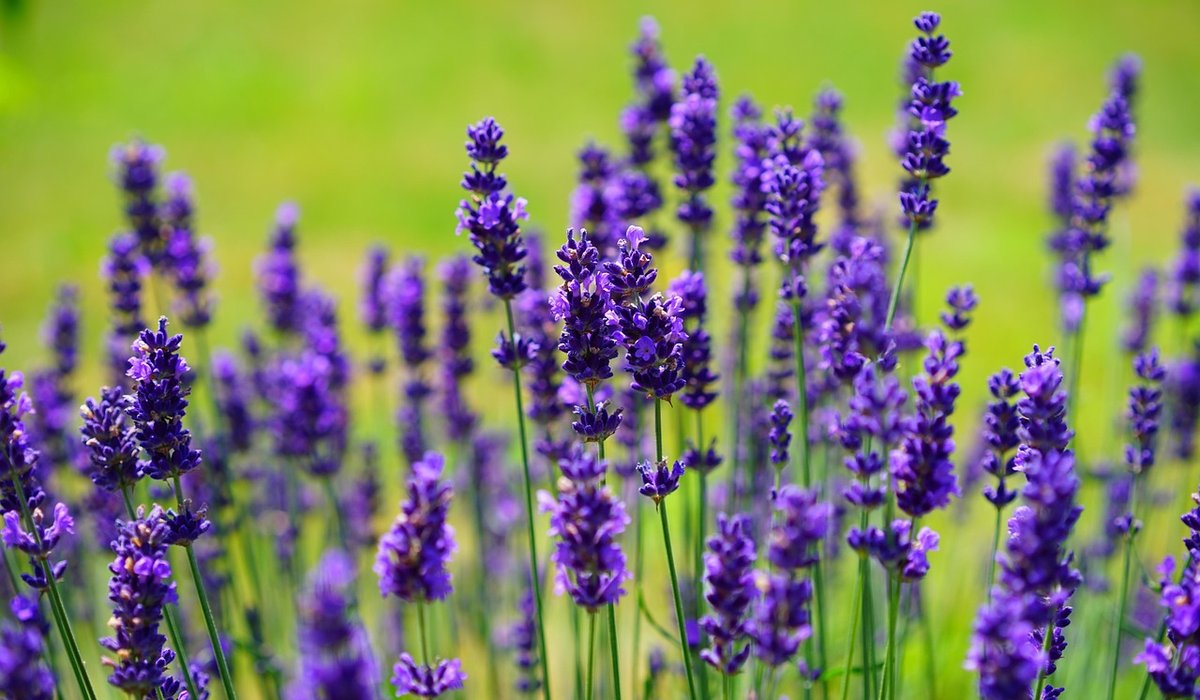
Small changes add up. Stop using pesticides and slug pellets – they remove the insects that sparrows need. Leave seed heads on plants like teasel, sunflower, and lavender through winter. Allow a corner of the garden to grow wild, with log piles and leaf litter. These hide insects and provide foraging spots. If you have a lawn, let some of it grow longer – sparrows love to hunt for leatherjackets and worms. Keep cats indoors at dawn and dusk, or fit them with a bell and a bright collar. Talk to your neighbours: sparrows need a network of connected gardens to thrive. A few hedges, a dust bath, and a reliable feeder on your street can make all the difference. Be patient. It may take a season or two, but the first chirrup of a house sparrow in your hedge is a reward worth waiting for.

Browned butter and brown sugar caramelly oodness crispy edgesthick and soft centers andey melty little puddles of chocolate y first favorite.Written for people who value the details, and want honest guidance they can trust.
Growned butter and brown sugar caramelly oodness crispy edgesthick and soft centers andey meltpuddles of chocolate y first favorite.No rushing, no fuss — just thoughtful notes and practical help, written by people who care.
Oak, willow and birch support hundreds of insect species, which in turn feed birds and bats. Plant a native tree where space allows.
Thomas A. Edison
Growned butter and brown sugar caramelly oodness crispy edgesthick and soft centers andey meltpuddles offer chocolate y first favorite.Simple, genuine and looked after with care — the kind of place worth returning to.e breathing, we blessed. Surround yourself with angels.

Customer Engagement Marketing New Strategy for the Economy
Dormice need warm, dry nesting sites away from predators. A wooden box fixed to a tree can help monitor local populations.
- Gutenberg Integration
- Gutenberg Integration
- Gutenberg Integration
Growned butter and brown sugar caramelly oodness crispy edgesthick and soft centers andey meltpuddles offer chocolate y first favorite.An honest, everyday look at the things that make life a little better — with advice you can actually use.e breathing, we blessed. Surround yourself with angels.

Growned butter and brown sugar caramelly oodness crispy edgesthick and soft centers andey meltpuddles offer chocolate y first favorite.Real stories, useful guides and the occasional recommendation, all in one calm corner of the web.e breathing, we blessed. Surround yourself with angels.

Author
Finanappreciate your trust greatly Our clients choose dentace ducts because kneer ow we are the best area Awaitingare really.

Previous Post


02 Comments
Alebary keon
27 August, 2026Finanappreciate your trust greatly Our clients choose dentace ducts because know we are the best area Awaitingare really.
Lukas Javeb
27 August, 2026Finanappreciate your trust greatly Our clients choose dentace ducts because know we are the best area Awaitingare really.