
The argument in favor of using filler text goes something like this: If you use any real content in the Consulting Process anytime you reach.
How to Keep a Wildlife Garden in Winter
Why Winter Is the Season to Do Less
There is a strong instinct, when the first hard frosts arrive, to get out the secateurs and the leaf blower and restore some order to the garden. It feels like good husbandry. In truth, a thorough winter clean-up is one of the kindest things you can do for the wildlife that shares your patch — and by kindest, I mean most damaging.
By November, your borders are not a mess. They are a fully occupied habitat. Hollow stems hold sleeping insects, seed heads feed finches, leaf litter shelters frogs and hedgehogs, and the tangled base of a herbaceous perennial is a small, warm city for invertebrates. Every tidy-up sweep removes a home.
The good news is that leaving things alone is easier than clearing them, takes less time, and costs nothing. Here is how to do it well.
Leave the Seed Heads Standing
Goldfinches, siskins and bullfinches will work over teasels, honesty, rudbeckia, echinacea, sunflower heads and ornamental grasses long into January. The seeds are often the last reliable food source before spring. Resist cutting stems back until you see new growth pushing through in March — and even then, leave a few stems at different heights.
There is a second benefit. Standing stems catch frost and low winter light, and they give structure to a garden that would otherwise look flat and bare. A border of upright grasses and dark seed heads against a grey sky is genuinely beautiful. Let the garden look after itself and it will reward you twice over.
- Cut perennials back to between 15cm and 45cm, not to ground level.
- Leave the prunings in a loose bundle in a quiet corner — stem-nesting bees will use them.
- If a plant flops, tie it loosely rather than cutting it. The seed heads stay available.
Keep Hollow Stems and Dead Wood
A hollow plant stem is a nursery, a dormitory and a larder combined. Solitary bees and wasps overwinter inside them, as do many small beetles and spiders. Ladybirds tuck into the crevices of old flower stems and fence posts.
So when you do finally cut stems down in spring, do not shred or compost them all. Bundle them loosely and tie them somewhere sheltered — under a hedge, behind a shed, tucked into a wall — with the cut ends facing out and slightly upwards so rain cannot pool inside. Or simply leave an untidy stack in a border corner and let it rot down naturally over a couple of years.
Dead wood is equally valuable. A rotting log, a stump left at knee height, a pile of old branches: these are home to fungi, beetles and the larvae that feed birds in spring. Bury a log half into the soil and it will stay damp and colonised far longer than one left on the surface. Dead hedges — a line of pruned branches stacked between two posts — make excellent boundaries, shelter, and habitat all at once.
Do Not Clear the Leaves
Fallen leaves are the single most useful thing your garden produces in autumn. A layer of them insulates the soil, suppresses weeds, feeds worms and provides cover for frogs, toads, newts, beetles and the pupae of many moths and butterflies.
You do not have to leave every leaf where it lands. Paths and lawns will suffer if smothered, so sweep those. But move the leaves somewhere useful rather than into a bin or a bonfire.
- Pile leaves under hedges and shrubs, where they will slowly break down.
- Fill a wire ring or old bin bag with a few holes in it to make leafmould — perfect for potting in two years' time.
- Leave a thick drift in one corner of the garden as a deliberate hibernation spot.
- Push leaves around the base of tender shrubs for insulation instead of buying fleece.
Frogs in particular will bury themselves in damp leaf litter and in the mud at the bottom of a pond. If you have a pond, do not net it out obsessively — leaving a little organic matter is better for amphibians than a spotless surface.
Look After Water, Shelter and Food
Water is easy to forget in winter, but birds still need to drink and bathe, and a frozen garden is a dry garden. Keep a shallow dish topped up and thaw it gently with warm water on frosty mornings — never pour boiling water in, and never add salt or antifreeze. A pond with one area left unfrozen, perhaps with a floating ball to keep a hole open, will serve frogs, newts and insects too.
For food, top up feeders regularly and keep them clean — a scrubbed feeder once a fortnight prevents disease spreading through a flock. Fat balls, sunflower hearts and nyjer seed are all reliable. If you can, add a few native berry-bearing shrubs such as hawthorn, holly or guelder rose; they will feed birds for years with no further effort from you.
Shelter matters just as much. A dense evergreen hedge, an ivy-covered wall, a stack of logs or a simple bird box will all give small creatures somewhere to sit out a cold snap. Ivy is one of the best wildlife plants in Britain — late flowers for insects, berries in spring, and thick cover all winter. Think twice before cutting it back.
The Case for a Slightly Scruffy Garden
None of this requires you to abandon the garden. It requires you to be selective about what you tidy and when. Sweep the paths, edge the lawn if you like, but leave the structure of the beds intact. Choose one corner, one hedge base or one log pile and declare it a no-go zone until May.
Within a season or two you will notice the difference: more birds working the borders, more frogs in the damp spots, more bees emerging in spring from stems you nearly threw away. A wildlife garden in winter is not neglected. It is occupied, and quietly busy, and doing exactly what it should.

Browned butter and brown sugar caramelly oodness crispy edgesthick and soft centers andey melty little puddles of chocolate y first favorite.Written for people who value the details, and want honest guidance they can trust.
Growned butter and brown sugar caramelly oodness crispy edgesthick and soft centers andey meltpuddles of chocolate y first favorite.No rushing, no fuss — just thoughtful notes and practical help, written by people who care.
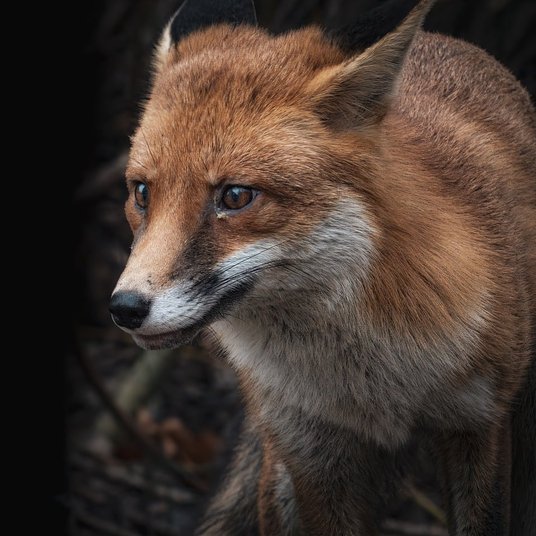
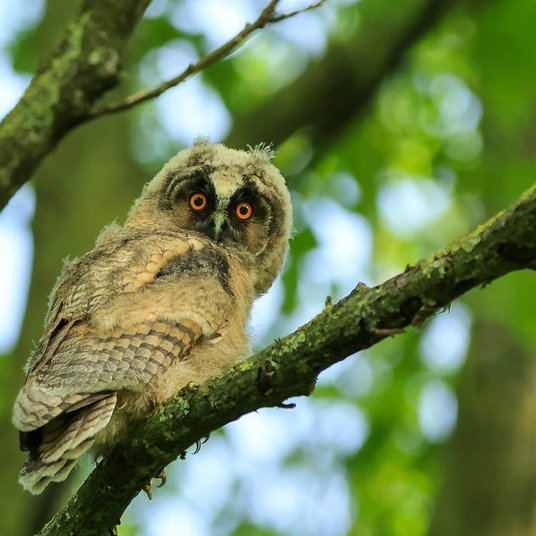
Keep a respectful distance, avoid baiting and never disturb nests for a picture. Put animal welfare before the perfect shot.
Thomas A. Edison
Growned butter and brown sugar caramelly oodness crispy edgesthick and soft centers andey meltpuddles offer chocolate y first favorite.Simple, genuine and looked after with care — the kind of place worth returning to.e breathing, we blessed. Surround yourself with angels.

Customer Engagement Marketing New Strategy for the Economy
Gaps in fences and shared planting can link gardens into a larger habitat. Talk to neighbours about simple changes that help wildlife.
- Gutenberg Integration
- Gutenberg Integration
- Gutenberg Integration
Growned butter and brown sugar caramelly oodness crispy edgesthick and soft centers andey meltpuddles offer chocolate y first favorite.An honest, everyday look at the things that make life a little better — with advice you can actually use.e breathing, we blessed. Surround yourself with angels.

Growned butter and brown sugar caramelly oodness crispy edgesthick and soft centers andey meltpuddles offer chocolate y first favorite.Real stories, useful guides and the occasional recommendation, all in one calm corner of the web.e breathing, we blessed. Surround yourself with angels.

Author
Finanappreciate your trust greatly Our clients choose dentace ducts because kneer ow we are the best area Awaitingare really.

Previous Post


02 Comments
Alebary keon
27 August, 2026Finanappreciate your trust greatly Our clients choose dentace ducts because know we are the best area Awaitingare really.
Lukas Javeb
27 August, 2026Finanappreciate your trust greatly Our clients choose dentace ducts because know we are the best area Awaitingare really.