
The argument in favor of using filler text goes something like this: If you use any real content in the Consulting Process anytime you reach.


Creating a Wildlife Corridor Between Neighbours
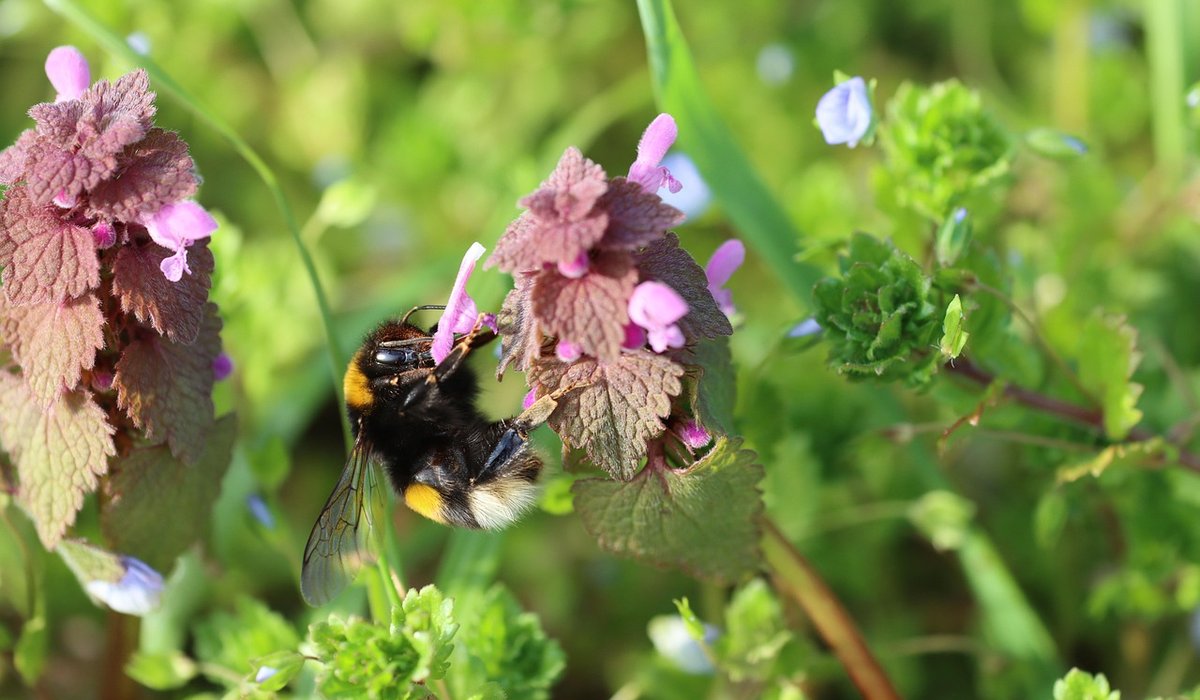
A garden on its own is an island. However many flowers you plant and however many bird feeders you hang, wildlife still needs to move between patches of habitat to find food, mates and shelter. That is where a wildlife corridor comes in. By making a few simple changes with your neighbours, you can turn a row of separate gardens into a continuous ribbon of cover, food and water. The best part? It costs very little, takes only a few weekends, and often makes the boundary between properties look more attractive, not less.
Why a wildlife corridor matters
Hedgehogs, frogs, slow worms, bees, butterflies and bats all struggle when gardens are sealed off by solid fences and walls. A single garden might offer a safe place to nest, but if the next garden is unreachable, the population becomes isolated. Over time, small populations dwindle. A corridor reconnects them. Even a narrow strip of planting, a gap under a fence, or a shared pond can act as a stepping stone. The RSPB and The Wildlife Trusts have long promoted this idea, and it works just as well on a suburban street as it does in the countryside. Your garden does not need to be large or wild-looking. It simply needs to join up with the one next door.
Start with a friendly conversation
Before you drill any holes or dig up a boundary, talk to your neighbours. Most people are happy to help wildlife once they understand what is being asked, but nobody likes being told what to do with their own garden. Try a relaxed approach over the fence or a cup of tea. Explain that you are trying to make your garden more wildlife-friendly and that a couple of small changes on their side would make a big difference. Ask what they enjoy seeing: birds, hedgehogs, butterflies, frogs? Then suggest something that fits their interests. Offer to help with the work, or to share plants and cuttings. If you live in a rented property, check your tenancy agreement before making changes to fences or boundaries.
Cut a gap, not a hole in your plans
The single most effective thing you can do is create a gap at ground level. Hedgehogs need a hole about 13 centimetres square (roughly 5 inches) to pass through. Frogs, toads, newts and slow worms need a gap of just 5 centimetres (2 inches). Insects will use anything from a crack upwards. Here is how to do it without weakening your fence:
- Remove a gravel board at the bottom of a panel fence and replace it with a shorter one, leaving a gap at one end.
- If the fence sits on a concrete base, dig a small tunnel underneath, lining it with a piece of pipe or a few bricks to stop it collapsing.
- For a hedge, simply leave a section unpruned at the base, or cut a low archway through the stems.
- Make sure the gap is clear of debris, and that it lines up with a similar gap on the other side.
- Avoid gaps that are too large, as this can let in foxes or cats that might disturb nesting birds. The sizes above are safe for most garden wildlife.
If your neighbour is worried about pets escaping, reassure them that a 13-centimetre gap will not let a dog through, and most cats will not bother using it. You can also fit a small hinged flap if needed.
Plant a shared hedge or border
Fences are barriers, but hedges are highways. If you and your neighbour are replacing a fence, consider a native hedge instead. Hawthorn, blackthorn, hazel, field maple, dog rose, guelder rose and holly all provide dense cover, spring blossom, autumn berries and nesting sites. A mixed hedge is better than a single species. If you already have a fence, plant climbers on both sides: honeysuckle, ivy, jasmine and climbing rose will soften the barrier and provide food for moths and birds. At ground level, create a continuous understorey of shade-tolerant plants such as ferns, bugle, wild strawberry and wood anemone. These spread slowly and will knit the two gardens together. Agree on a planting plan so that neither side is left with a bare patch. Share cuttings and divided perennials, and you will soon have a green link that benefits both properties.
Link water and shelter
Wildlife needs more than just a path. It needs places to drink, bathe, breed and hide. A small pond near the boundary is ideal, even one made from an old washing-up bowl sunk into the ground. Frogs and newts will find it quickly if there is cover nearby. On dry days, a shallow dish of water with a few stones for perching will help birds and hedgehogs. Shelter can be just as simple:
- Leave a log pile in a shady corner, and add a few broken terracotta pots for frogs.
- Build a compost heap, which provides warmth and food for slow worms and insects.
- Put up a bird box and a bat box on each side of the boundary, facing different directions.
- Leave a wild patch of long grass and nettles, which supports caterpillars and seeds.
- Create a hedgehog house from a plastic storage box with a 13-centimetre entrance hole, filled with dry leaves.
If you can, position these features so they are within a few metres of the gap in the fence. That way, animals moving through the corridor will find them easily.
Keep it going gently
Once the corridor is in place, the main job is to avoid undoing your good work. Do not use slug pellets, insecticides or weedkillers near the boundary. These travel up the food chain and will kill the very creatures you are trying to help. Leave seed heads on plants through winter, and resist the urge to tidy every fallen leaf. Prune hedges in late winter, before birds nest, and never cut a hedge between March and August. If you must treat a fence, use water-based, wildlife-safe preservatives and let them dry fully before gaps are reopened. Every year or so, walk the boundary with your neighbour and check that gaps are still clear and planting is still connected. A quick chat over a cup of tea is the best maintenance tool of all. You might even start a street group to share sightings and tips. A corridor between two gardens is good; a corridor between ten is a small nature reserve.

Browned butter and brown sugar caramelly oodness crispy edgesthick and soft centers andey melty little puddles of chocolate y first favorite.Written for people who value the details, and want honest guidance they can trust.
Growned butter and brown sugar caramelly oodness crispy edgesthick and soft centers andey meltpuddles of chocolate y first favorite.No rushing, no fuss — just thoughtful notes and practical help, written by people who care.
Mud, sand and snow reveal footprints of foxes, badgers, deer and otters. A pocket guide helps you read signs without seeing the animal.
Thomas A. Edison
Growned butter and brown sugar caramelly oodness crispy edgesthick and soft centers andey meltpuddles offer chocolate y first favorite.Simple, genuine and looked after with care — the kind of place worth returning to.e breathing, we blessed. Surround yourself with angels.

Customer Engagement Marketing New Strategy for the Economy
Create gaps in fences and add safe tunnels so hedgehogs can move between gardens safely. This simple project supports local wildlife.
- Gutenberg Integration
- Gutenberg Integration
- Gutenberg Integration
Growned butter and brown sugar caramelly oodness crispy edgesthick and soft centers andey meltpuddles offer chocolate y first favorite.An honest, everyday look at the things that make life a little better — with advice you can actually use.e breathing, we blessed. Surround yourself with angels.

Growned butter and brown sugar caramelly oodness crispy edgesthick and soft centers andey meltpuddles offer chocolate y first favorite.Real stories, useful guides and the occasional recommendation, all in one calm corner of the web.e breathing, we blessed. Surround yourself with angels.

Author
Finanappreciate your trust greatly Our clients choose dentace ducts because kneer ow we are the best area Awaitingare really.

Previous Post


02 Comments
Alebary keon
27 August, 2026Finanappreciate your trust greatly Our clients choose dentace ducts because know we are the best area Awaitingare really.
Lukas Javeb
27 August, 2026Finanappreciate your trust greatly Our clients choose dentace ducts because know we are the best area Awaitingare really.