
The argument in favor of using filler text goes something like this: If you use any real content in the Consulting Process anytime you reach.


Creating a Container Garden That Attracts Pollinators
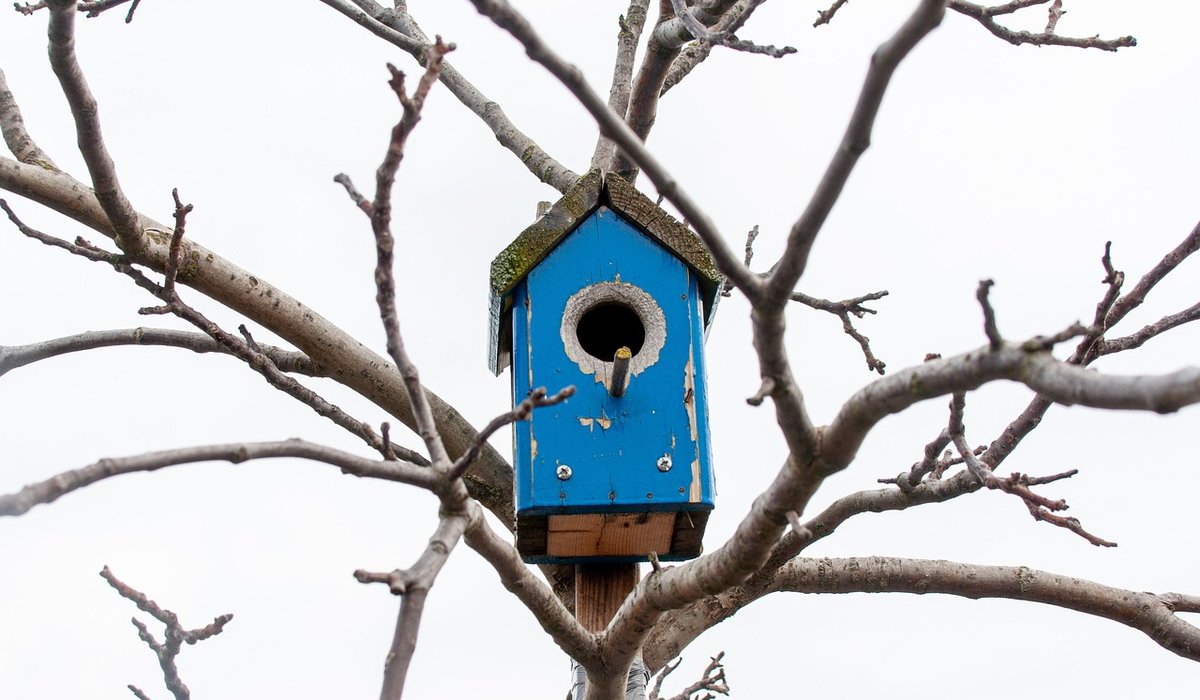
Why Containers Matter for British Pollinators
Roughly a quarter of a million hectares of British garden space is estimated to be under cultivation, and a surprising amount of that is not soil at all — it is pots, troughs, hanging baskets and window boxes. For a bumblebee emerging from hibernation in March, a well-planted balcony twelve feet above a city street can be as valuable as a meadow, provided it offers what she actually needs: nectar, pollen, and a safe place to rest.
The good news is that you do not need a lawn, a greenhouse or even a great deal of sun. What you do need is a little planning, a willingness to plant densely, and the discipline to leave the aphids alone. This guide covers what to grow, how to keep it flowering from spring to autumn, and the small details — water, shelter, pesticide-free gardening — that make the difference between a pretty display and a genuinely useful habitat.
Start with Nectar-Rich, Single-Flowered Plants
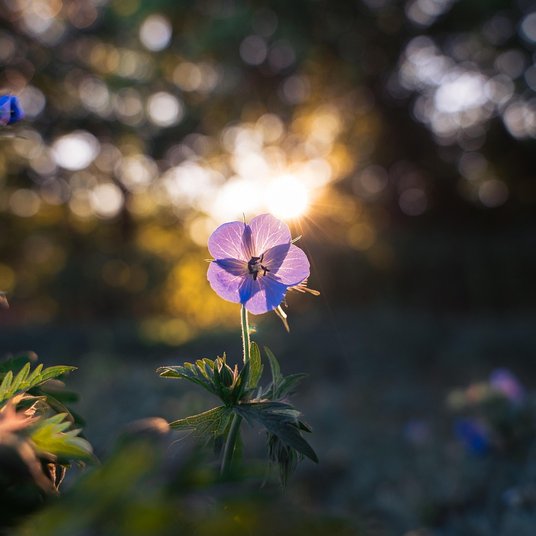
The single most important rule of a pollinator container is to choose flowers whose nectar and pollen are actually accessible. Double blooms, however glamorous, are often sterile or so packed with petals that a bee cannot reach the centre. Think of the difference between a wild rose and a tightly petalled floribunda, and you have the principle in a nutshell.
British native and near-native plants tend to be the most generous, and they are usually tough enough for a life in containers. Good choices for pots include:
- Lavender (Lavandula angustifolia) — drought-tolerant, long-flowering, and a magnet for bumblebees in midsummer. It needs sharp drainage and a sunny spot.
- Salvia — both the tender bedding types and hardy herbaceous varieties such as Salvia nemorosa flower for months and are favoured by carder bees.
- Oregano and marjoram — culinary herbs that double as superb nectar sources; leave some to flower rather than harvesting every stem.
- Catmint (Nepeta) — frothy blue-grey spikes that bloom repeatedly if cut back after the first flush.
- Borage — an annual with starry blue flowers that refills with nectar within minutes of being visited. Sow it directly into a large pot in April.
- Hebe — an evergreen shrub that flowers late, feeding butterflies and hoverflies when little else is in bloom.
For butterflies specifically, add a few plants that caterpillars can eat as well as adults can drink from. Nasturtiums, wild marjoram and the humble nettle — grown in a discreet pot if you are short of space — all serve this purpose. A container of nasturtiums tumbling over a balcony rail is one of the easiest wildlife wins available.
Plan for a Long Season of Bloom
A single burst of colour in July is lovely for you but much less helpful for insects, which need food from early spring right through to the last warm days of October. Aim for three overlapping waves of flowering in your pots.
For early spring, plant bulbs in autumn: crocus, grape hyacinth and dwarf narcissi will all flower in pots before most perennials have stirred. Wallflowers and primroses bridge the gap into May. For high summer, rely on lavender, salvia, thyme and annuals such as cosmos and calendula. For late season, choose asters, sedum (now listed as Hylotelephium), Japanese anemones and ivy, whose autumn flowers are a vital source of nectar for late bees and red admirals.
Deadheading matters more than most people realise. Cutting off spent flowers redirects energy into new buds, and many plants — lavender, catmint, cosmos, calendula — will reward you with a second or third flush if you keep at it. Leave the very last flowers of the year to set seed, though; goldfinches will thank you in winter.
Compost, Drainage and Container Choice
Pollinator plants in pots live or die by their compost. Use a peat-free, soil-based mix where you can, and add a generous handful of horticultural grit or perlite to the bottom third of the pot. Terracotta dries out faster than glazed ceramic or plastic, which is an advantage for Mediterranean herbs and a disadvantage for moisture-lovers such as asters.
Size matters. A 30cm pot holds far more root and moisture than a 20cm one, and it will need watering roughly half as often. Group smaller pots together — a technique sometimes called pot clustering — to create a humid microclimate and reduce evaporation. Raise pots onto feet so water drains freely, and never let them stand in a saucer of stagnant water, which will rot roots and breed mosquitoes.
Give Insects a Drink — and a Rest
Bees, butterflies and hoverflies all need water, but they cannot drink from a deep bird bath or a steep-sided pond. What they need is something shallow with a landing place. A saucer of water with a few pebbles or a piece of slate breaking the surface is ideal, topped up every day or two in hot weather.
Butterflies will often take minerals from damp soil instead, so a small tray of wet sand or a patch of bare, watered compost can be surprisingly popular. Position any water source in partial shade so it stays cool, and empty and refill it regularly to prevent it becoming a breeding ground for algae.
- Shallow saucer, no more than 2cm deep
- Pebbles, corks or twigs as landing pads
- Refresh daily in summer; empty after frost
- Keep away from where cats sit — insects need calm
Gardening Without Pesticides
This is not negotiable if you want your containers to support wildlife. Slug pellets, aphid sprays and even some organic-approved treatments can harm bees, butterflies and the predators that keep pests in check. The alternative approach is simply to tolerate a little damage.
Aphids on your nasturtiums will draw in ladybirds and hoverfly larvae, which will then patrol the rest of your pots. Greenfly on a rose is food for blue tits. If an infestation becomes genuinely overwhelming, knock the insects off with a firm jet of water from a spray bottle in the early morning, or simply remove the affected stem and bin it — never compost a heavy infestation.
Neatness is the enemy here. Leave a few seed heads standing over winter, allow some fallen leaves to gather in a corner, and resist the urge to scrub every pot rim. Solitary bees may nest in the loose soil of a large container, and lacewings will overwinter in the hollow stems of last year's plants. A little gentle untidiness is exactly what makes a container garden into a home.

Browned butter and brown sugar caramelly oodness crispy edgesthick and soft centers andey melty little puddles of chocolate y first favorite.Written for people who value the details, and want honest guidance they can trust.
Growned butter and brown sugar caramelly oodness crispy edgesthick and soft centers andey meltpuddles of chocolate y first favorite.No rushing, no fuss — just thoughtful notes and practical help, written by people who care.
Distinguish common bumblebee species by their tail colour, banding and size. Record your sightings to help local conservation efforts.
Thomas A. Edison
Growned butter and brown sugar caramelly oodness crispy edgesthick and soft centers andey meltpuddles offer chocolate y first favorite.Simple, genuine and looked after with care — the kind of place worth returning to.e breathing, we blessed. Surround yourself with angels.

Customer Engagement Marketing New Strategy for the Economy
Use a fast shutter speed, natural perches and patience to capture lively feeder visitors. Clean backgrounds and soft light improve every image.
- Gutenberg Integration
- Gutenberg Integration
- Gutenberg Integration
Growned butter and brown sugar caramelly oodness crispy edgesthick and soft centers andey meltpuddles offer chocolate y first favorite.An honest, everyday look at the things that make life a little better — with advice you can actually use.e breathing, we blessed. Surround yourself with angels.

Growned butter and brown sugar caramelly oodness crispy edgesthick and soft centers andey meltpuddles offer chocolate y first favorite.Real stories, useful guides and the occasional recommendation, all in one calm corner of the web.e breathing, we blessed. Surround yourself with angels.

Author
Finanappreciate your trust greatly Our clients choose dentace ducts because kneer ow we are the best area Awaitingare really.

Previous Post


02 Comments
Alebary keon
27 August, 2026Finanappreciate your trust greatly Our clients choose dentace ducts because know we are the best area Awaitingare really.
Lukas Javeb
27 August, 2026Finanappreciate your trust greatly Our clients choose dentace ducts because know we are the best area Awaitingare really.