
The argument in favor of using filler text goes something like this: If you use any real content in the Consulting Process anytime you reach.
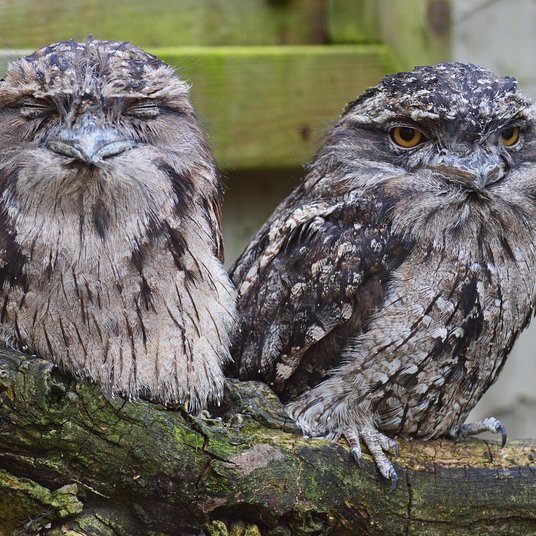
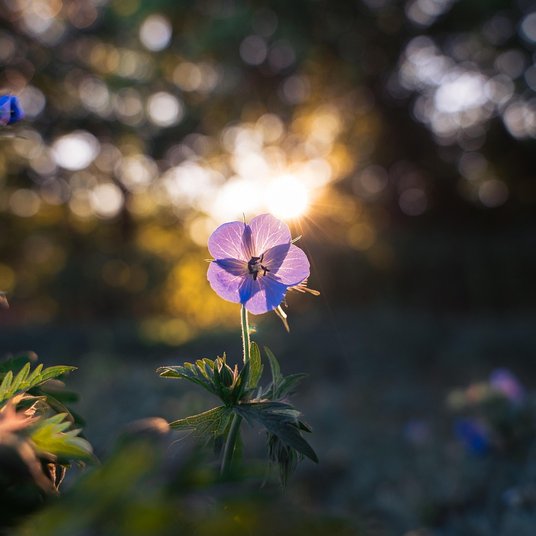
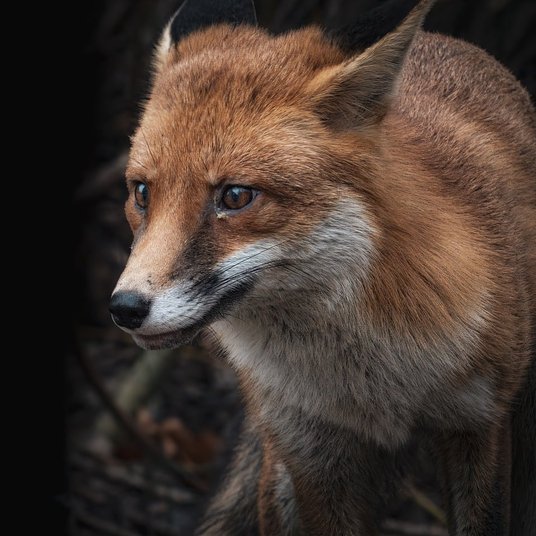
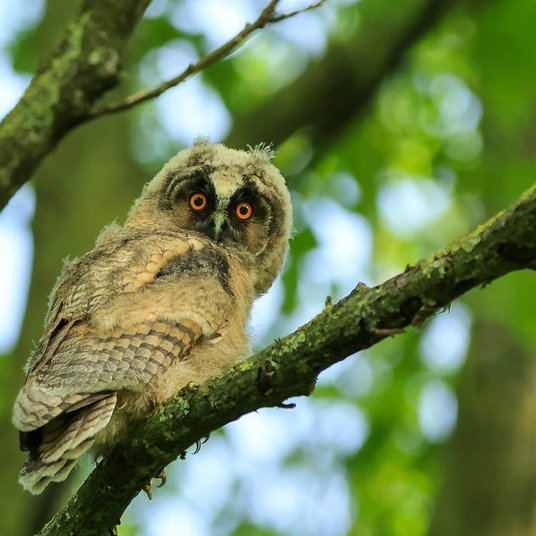
Ethical Wildlife Photography in British Countryside
Put the Animal First, Always
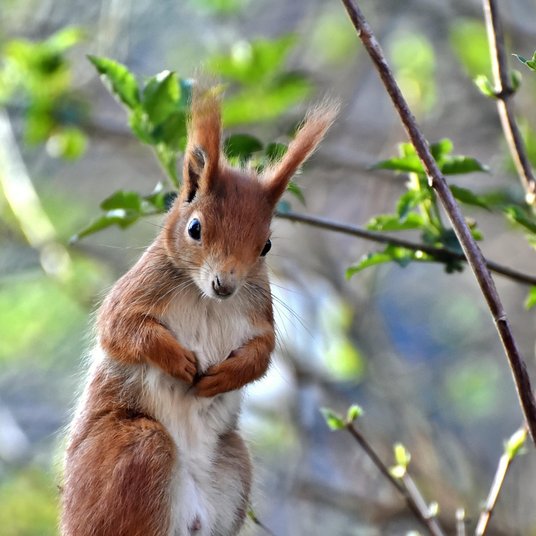
There is a particular kind of photograph that stops you mid-scroll: a barn owl quartering a meadow in low winter light, a red squirrel poised on a mossy branch, a hare sitting tight in frost. What you rarely see is the cost at which it was taken. Ethical wildlife photography begins with a simple reversal of priorities. The welfare of the subject outranks the image, every time, without exception.
That sounds obvious written down. In the field, with cold fingers and fading light, it is much harder. But the moment you accept that a missed shot is a perfectly acceptable outcome, your fieldcraft improves. You become patient rather than pushy, observant rather than opportunistic, and you stop measuring a day by what you brought home on a memory card.
Know the Law Before You Lift the Camera
British wildlife is protected by legislation that photographers need to understand, not just vaguely sense.
- All wild birds, their nests and their eggs are protected. It is an offence to intentionally damage or destroy an active nest.
- Species listed on Schedule 1 of the Wildlife and Countryside Act 1981 — barn owls, kingfishers, ospreys, red kites and many others — receive extra protection. You need a licence to photograph them at or near an active nest.
- Badger setts are protected by their own legislation, and disturbing a sett is an offence whether or not a badger is visible.
- Licences are issued by the relevant country agency: Natural England, Natural Resources Wales or NatureScot. They are not difficult to apply for, but they take time, so plan ahead.
Beyond the statute book, there are local sensitivity issues. A peregrine ledge on a city cathedral, an adder hibernaculum on a heath, a seal haul-out on a Norfolk beach — all can be harmed by nothing more than a photographer standing in the wrong place at the wrong time.
Fieldcraft, Not Force
Getting close is a skill, not a conquest. Most British mammals will tolerate a quietly positioned human if you give them time to accept your presence. Approach obliquely rather than directly, keep low, move slowly, and stop the instant the animal changes its behaviour.
Learn the alarm signals. A red deer hind will lift her head and stare; a hare will flatten its ears; a squirrel will freeze mid-scramble and then bolt for a trunk. These are not invitations to creep closer. They are the point at which you should back off, or better, sit still and let the animal settle.
Use the equipment you have honestly. A 100–400mm lens and a well-placed hide will outshoot a 600mm lens wielded by someone crashing through bracken. Cropping a sharp frame is not cheating. Disturbing a nesting bird to fill the frame is.
Never Bait, Never Lure
Baiting is one of the most damaging practices in wildlife photography, and it is depressingly common. Mealworms laid out for owls, dead chicks for kites, fish suspended over a river for kingfishers — all of it pulls animals into unnatural behaviour and unnatural places.
- Bait habituates animals to people, making them vulnerable to persecution, traffic and dogs.
- It concentrates predators and prey at a single point, spreading disease and disrupting natural hunting.
- It changes timing, territory and diet, and it produces images that misrepresent wild behaviour.
- Playing recorded calls during breeding season can draw birds away from nests, eggs and hungry chicks.
The photographs may look magnificent. They are also, in a real sense, fiction — and often cruel fiction.
Nests, Dens and Denying the Shot
Nests are the hardest temptation to resist, and the one where restraint matters most. An adult bird flushed from a nest in cold, wet weather may abandon it. A nest photographed repeatedly may be found by corvids following your footprints or your scent trail.
If you genuinely need nest images, work under licence, use a long lens from a distance, visit briefly, and never return on consecutive days. For everything else, photograph the bird away from the nest and leave the site entirely alone. The same applies to dens, setts, roosts and hibernation sites.
Leave No Trace, and Share Responsibly
The countryside is not a studio. Stay on paths where they exist, keep dogs on leads around livestock and ground-nesting birds, close gates, and take everything home with you. Do not trample bluebell woods for a low-angle shot, and do not flatten reedbeds to reach a water's edge.
Finally, think carefully about what you publish. Precise locations for rare species — a hen harrier roost, an osprey nest, a colony of adders — can be found within hours and visited by hundreds. Share the county, share the season, share the story, and keep the grid reference to yourself. Encouraging others to photograph ethically matters far more than proving exactly where you stood.

Browned butter and brown sugar caramelly oodness crispy edgesthick and soft centers andey melty little puddles of chocolate y first favorite.Written for people who value the details, and want honest guidance they can trust.
Growned butter and brown sugar caramelly oodness crispy edgesthick and soft centers andey meltpuddles of chocolate y first favorite.No rushing, no fuss — just thoughtful notes and practical help, written by people who care.
Gaps in fences and shared planting can link gardens into a larger habitat. Talk to neighbours about simple changes that help wildlife.
Thomas A. Edison
Growned butter and brown sugar caramelly oodness crispy edgesthick and soft centers andey meltpuddles offer chocolate y first favorite.Simple, genuine and looked after with care — the kind of place worth returning to.e breathing, we blessed. Surround yourself with angels.

Customer Engagement Marketing New Strategy for the Economy
Mud, sand and snow reveal footprints of foxes, badgers, deer and otters. A pocket guide helps you read signs without seeing the animal.
- Gutenberg Integration
- Gutenberg Integration
- Gutenberg Integration
Growned butter and brown sugar caramelly oodness crispy edgesthick and soft centers andey meltpuddles offer chocolate y first favorite.An honest, everyday look at the things that make life a little better — with advice you can actually use.e breathing, we blessed. Surround yourself with angels.

Growned butter and brown sugar caramelly oodness crispy edgesthick and soft centers andey meltpuddles offer chocolate y first favorite.Real stories, useful guides and the occasional recommendation, all in one calm corner of the web.e breathing, we blessed. Surround yourself with angels.

Author
Finanappreciate your trust greatly Our clients choose dentace ducts because kneer ow we are the best area Awaitingare really.

Previous Post


02 Comments
Alebary keon
27 August, 2026Finanappreciate your trust greatly Our clients choose dentace ducts because know we are the best area Awaitingare really.
Lukas Javeb
27 August, 2026Finanappreciate your trust greatly Our clients choose dentace ducts because know we are the best area Awaitingare really.