
The argument in favor of using filler text goes something like this: If you use any real content in the Consulting Process anytime you reach.





Managing a Garden Meadow Through the Seasons
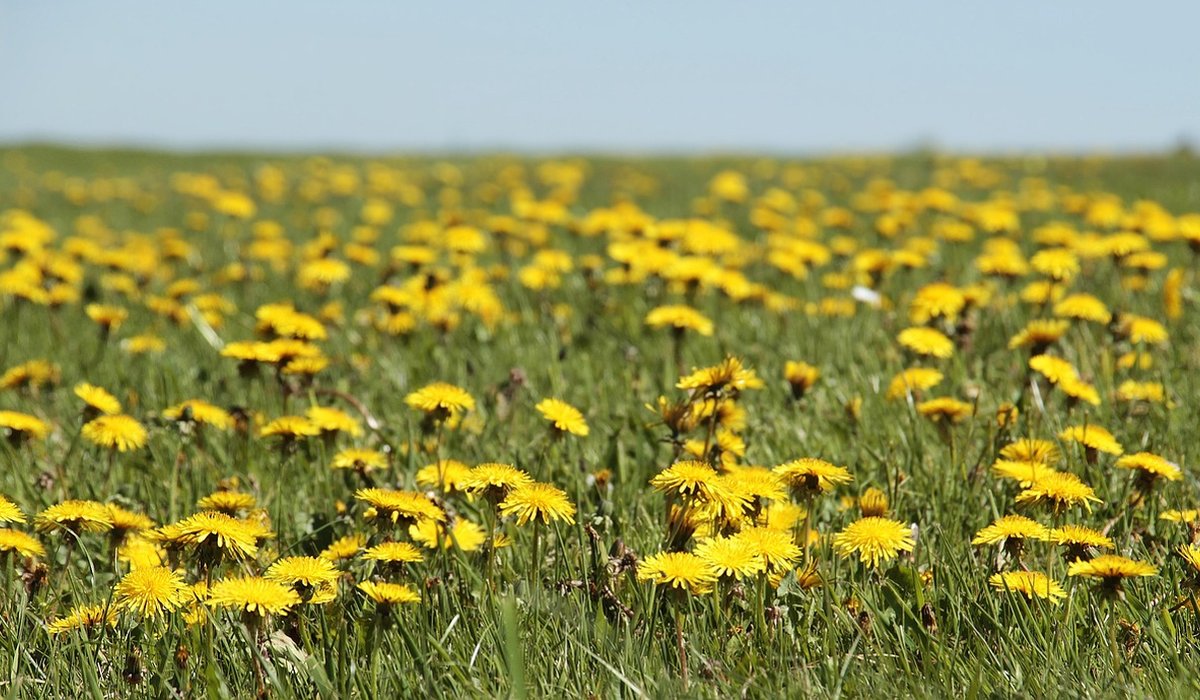
A garden meadow is not simply a lawn you have stopped mowing. It is a small, living community of grasses and wildflowers, and it responds to how you treat it across the whole year. Get the rhythm right and you will be rewarded with cowslips in April, ox-eye daisies in June and a hum of insects all summer. Get it wrong — usually by cutting too early or being too tidy — and the coarse grasses will quietly take over.
This is a slow business. A meadow can take three or four years to settle, and the single most important thing you can do is cut at the right moment and take the clippings away.
Why a meadow behaves differently from a lawn
Wildflower meadows sit on poor soil. That sounds odd when most gardening advice is about feeding the soil, but it is the key to the whole thing. Grasses thrive on fertility; most of our loveliest wildflowers do not. Give a meadow rich ground and you get tall, floppy cocksfoot and Yorkshire fog, which shade out everything beneath them.
So the aim is to remove fertility, not add it. Every time you cut and cart away the clippings, you are taking nutrients out of the system. Leave them lying and they rot back in, feeding the grasses you are trying to hold back. Never feed a meadow, never spread compost, and never leave the mowings to wilt where they fall.
Spring: hold back and hold your nerve
The temptation in March is to tidy up. Resist it. If you cut too early you remove the fresh growth that early bees and butterflies depend on, and you knock back the very plants you want.
- If the meadow has grown straggly over winter, a single cut in late February or early March at about 5–7cm is fine — but only if you really need it.
- Rake off the cuttings and any thatch. A gentle scarify with a spring-tined rake opens the sward for germinating seed.
- Look for cowslips, cuckoo flower and primroses starting to push through. Mark any you want to protect from a careless strimmer later.
- This is the moment to plant plugs of yellow rattle, knapweed or field scabious if you have them ready.
If your meadow is on former lawn, expect the first year to be dominated by grass. That is normal. It usually takes two or three seasons to swing the balance.
Early summer: let it grow, flower and seed
From late April onwards, put the mower away. Let the grasses run up to flower. This is the richest part of the year: meadow buttercup, red clover, selfheal, bird's-foot trefoil and ox-eye daisy all appear in succession, and the long grass provides shelter, nesting cover and hunting ground for frogs, shrews, beetles and moths.
A few practical touches help here:
- Leave a ragged edge or a short path mown through the middle. It makes the meadow feel intentional and gives you somewhere to walk without trampling.
- Stagger your cutting across different patches so something is always in flower.
- If you want yellow rattle to establish, it must be allowed to set seed. Watch for its yellow flowers in June and leave them alone.
The late-summer cut: timing and technique
This is the moment the whole year turns on. Wait until the grasses have flowered and shed their seed — usually late July to mid-August, depending on where you are in the UK. In a cold northern year it may be the end of August. If you cut before the seed drops, you lose next year's grasses and, more importantly, next year's wildflowers.
Once the seed has fallen, cut hard. A scythe, a strimmer or a mower on its highest setting all work; cut down to about 5–7cm. Then leave the cut material lying for two or three days so any remaining seed drops, and then rake it all up.
Take the clippings to the compost heap or the council green waste. This is not fussiness — it is the single act that keeps fertility low and lets wildflowers compete. If your soil is very rich, you may need a second cut in October to make real progress.
Autumn: raking, yellow rattle and fresh sowings
September and October are for repair and planting. Yellow rattle is the great ally of the meadow-maker: it parasitises grass roots and weakens them, opening gaps for flowers. Sow it in autumn, ideally into a cut sward, and let the winter cold do its work. It needs a period of chilling to germinate.
- Sow yellow rattle seed thinly over bare patches and tread it in.
- Add plug plants of knapweed, field scabious, betony and meadow crane's-bill while the soil is still warm.
- Keep raking off any late growth. Do not be tempted to leave it as winter cover — that is what standing stems are for, not cut grass.
- If moss or thatch has built up, scarify lightly and remove the debris.
Winter: what to leave standing
From November to February the meadow rests, but it is far from empty. Seed heads of teasel and knapweed feed goldfinches. Hollow stems shelter overwintering insects. Tussocks of grass hide frogs and small mammals. Dead seed heads look beautiful in frost, too.
Leave as much standing as you can bear, and cut it back only in late winter if it is flopping or smothering new growth. Even then, consider leaving a patch untouched — a quarter of the meadow left long over winter will do more for wildlife than any nest box.
Come spring, you start again: hold your nerve, let it flower, cut late, and cart it all away. Do that faithfully for a few years and your patch of ordinary grass will quietly become something worth sitting beside.

Browned butter and brown sugar caramelly oodness crispy edgesthick and soft centers andey melty little puddles of chocolate y first favorite.Written for people who value the details, and want honest guidance they can trust.
Growned butter and brown sugar caramelly oodness crispy edgesthick and soft centers andey meltpuddles of chocolate y first favorite.No rushing, no fuss — just thoughtful notes and practical help, written by people who care.
Dragonflies and damselflies patrol ponds for insects. Look for them on warm, still days near emergent plants and sunny edges.
Thomas A. Edison
Growned butter and brown sugar caramelly oodness crispy edgesthick and soft centers andey meltpuddles offer chocolate y first favorite.Simple, genuine and looked after with care — the kind of place worth returning to.e breathing, we blessed. Surround yourself with angels.

Customer Engagement Marketing New Strategy for the Economy
Avoid tidying everything away. Seed heads, hollow stems and leaf piles offer vital shelter for insects, frogs and small mammals.
- Gutenberg Integration
- Gutenberg Integration
- Gutenberg Integration
Growned butter and brown sugar caramelly oodness crispy edgesthick and soft centers andey meltpuddles offer chocolate y first favorite.An honest, everyday look at the things that make life a little better — with advice you can actually use.e breathing, we blessed. Surround yourself with angels.

Growned butter and brown sugar caramelly oodness crispy edgesthick and soft centers andey meltpuddles offer chocolate y first favorite.Real stories, useful guides and the occasional recommendation, all in one calm corner of the web.e breathing, we blessed. Surround yourself with angels.

Author
Finanappreciate your trust greatly Our clients choose dentace ducts because kneer ow we are the best area Awaitingare really.

Previous Post

Next Post

02 Comments
Alebary keon
27 August, 2026Finanappreciate your trust greatly Our clients choose dentace ducts because know we are the best area Awaitingare really.
Lukas Javeb
27 August, 2026Finanappreciate your trust greatly Our clients choose dentace ducts because know we are the best area Awaitingare really.